Living Museum of Learning
A Lot Can Happen in One Class
Tianjing often learns a lot in a single class.
And “a lot” means more. LOL.
One day, she can encounter a symbol for the first time, write it herself, and the very next day use it to enter a completely new mathematical idea.
Her learning often looks quiet from the outside.
Then suddenly, you realize how much has happened.
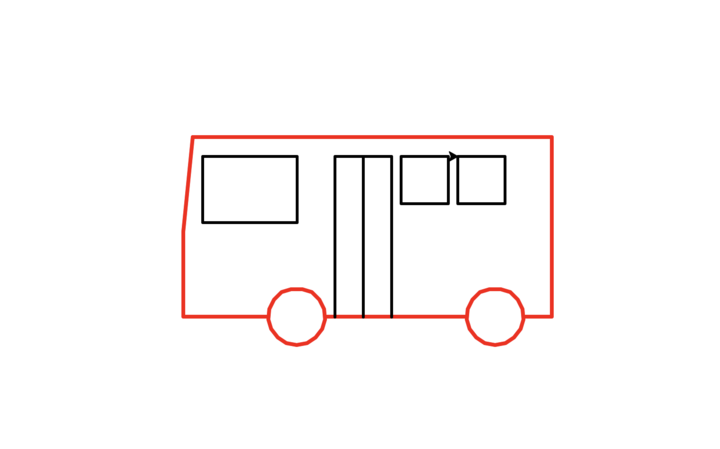
Her Python Turtle homework was to draw a school bus.
She hadn't finished it.
At the beginning of class, she quietly opened a terminal window. The font was tiny. I could see the first line and the last line of bus.py at the same time.
“Not finished,” she said softly. “Here … missing … there … missing. I didn't know circle, but I figured out…”
There they were.
Two circles.
The wheels.
I loved it.
“It looks great. Share it. Share it.”
“In Slack?”
“Both. Both Slack and our family WhatsApp group.”
The unfinished bus became something worth sharing.
And then came the mathematics.
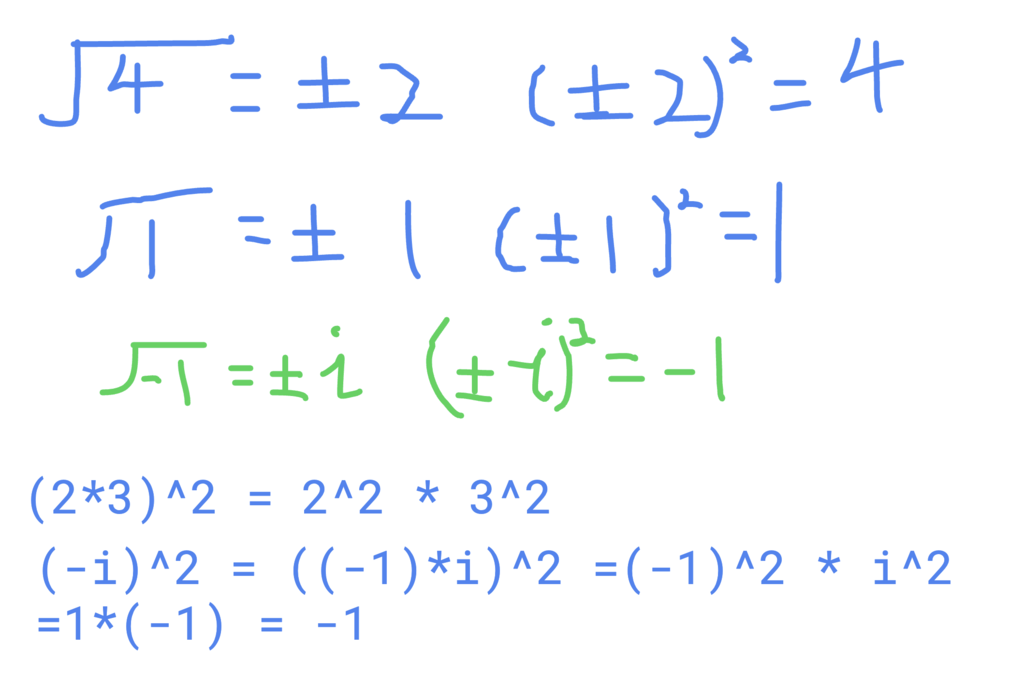
Yesterday, Tianjing had written/drawn the first square-root sign of her life:
√
Today, that tiny new symbol went much further.
I first used a familiar example:
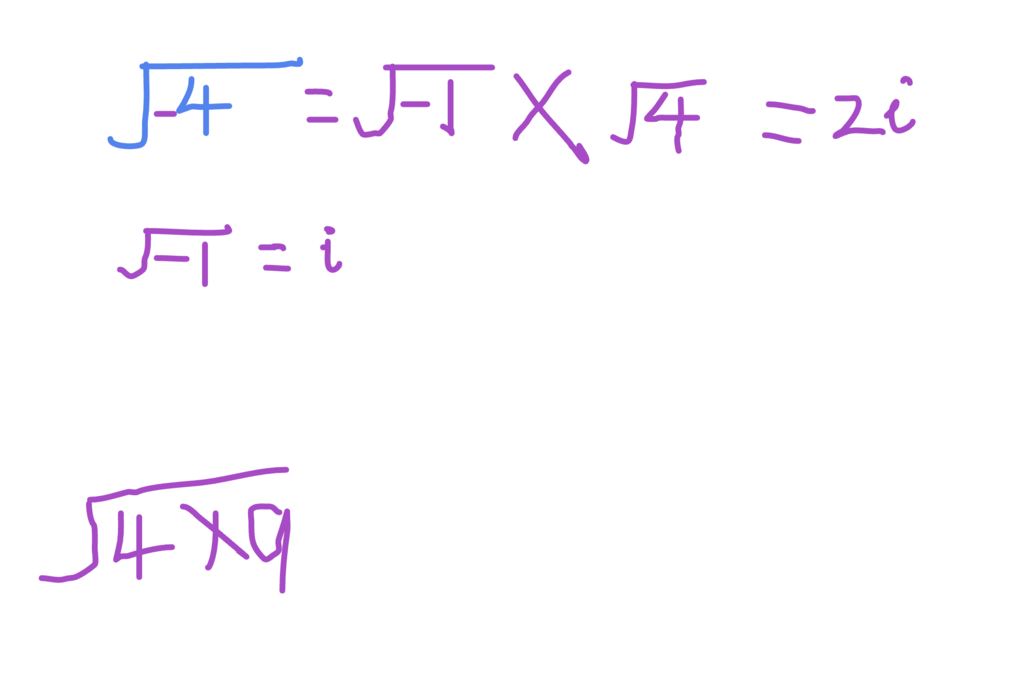
√(4 * 9) = 2 * 3 = 6
Then we pushed the same idea somewhere less familiar:
√(-4) = √(-1) * √4 = 2i
She got the final step herself:
2i
A square-root symbol she had only just learned to write had already become a doorway into complex numbers.
Then another little world opened: the language of the 24 game.
I guided her to use a dictionary rather than simply giving her the vocabulary.
“Plus, p-l…”
She typed.
She added an “a.”
“The u often sounds…”
Then came “minus.”
She typed “m-a.”
“ai … mai … m-i…”
And suddenly:
“Aha! u again — but now it became a different sound!” LOL.
Four words entered her mathematical vocabulary:
plus · minus · times · divided by
And then the search began.
+: plus
-: minus
*: times
÷: divided by
10+10+9+2=31
2*10+10-9=21
9*2+10-10=18
10*10-2*9=82
10÷2*9-10=35
(10÷10+2)*9=27
(10-9+10)*2=22
(10-9+2)*10=30
2*9-10÷10=17
And finally:
10÷2+10+9=24
The remarkable thing isn't that Tianjing got every problem right.
She didn't.
It isn't that she already knew everything.
She didn't.
The remarkable thing is the density of learning.
A circle she didn't know how to draw became two wheels.
A square-root symbol she had never written became √(-4).
A dictionary search became four mathematical words.
A sequence of wrong 24 answers became a correct one.
And when the puzzle remained stubborn, she asked:
“Is there a solution?”
That question may be the most beautiful part.
She wasn't merely asking for the answer.
She was asking whether the answer existed.