
Living Museum of Learning
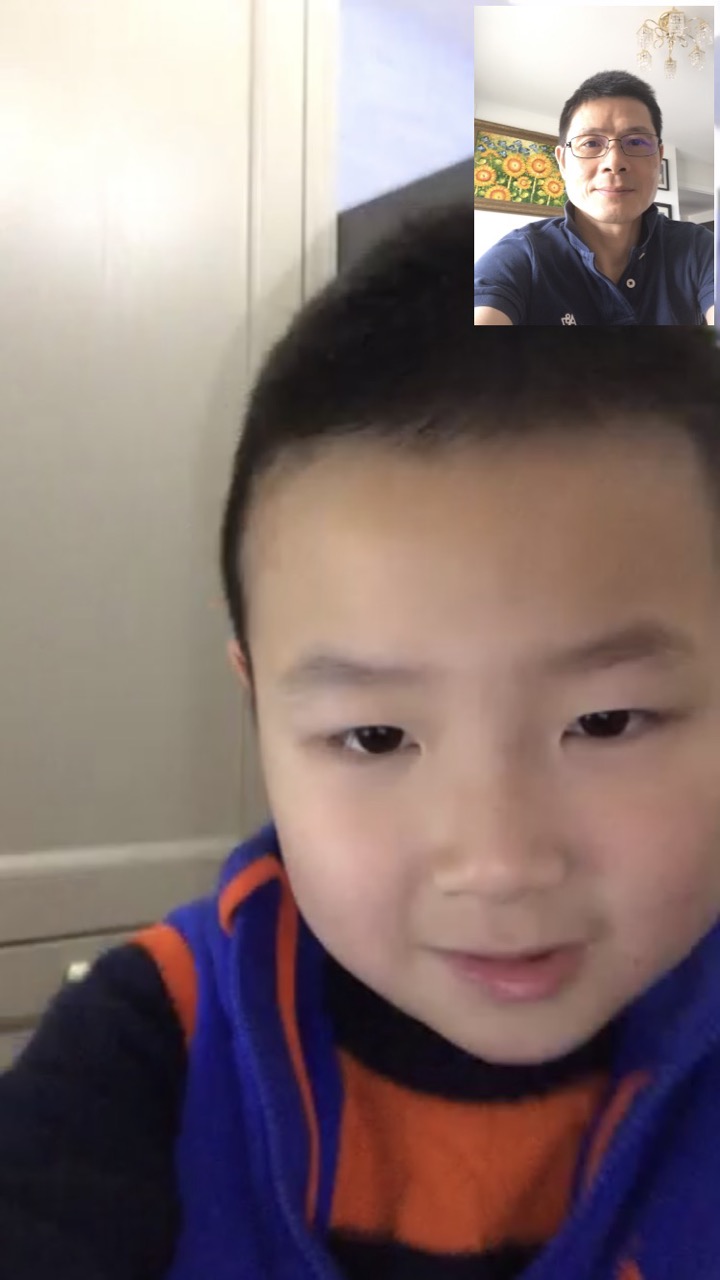
"Can I Show You Something?"
A tutoring session connected Shanghai and Toronto.
As soon as Lucas appeared on the screen, before I had introduced the day's lesson, he smiled and asked,
"Can I show you something?"
He opened TextEdit and typed:
ABCDE × 4 = EDCBA
His math teacher had presented the puzzle at school.
Immediately he recognized it.
Months earlier, we had written a small program together to search for solutions to a similar cryptarithm.
Instead of simply solving the classroom problem, he wanted to reconnect it with something we had explored together.
Lucas wasn't asking for help.
He was making a connection.
School mathematics had awakened a memory from our programming sessions.
The boundaries between coding, mathematics, and everyday learning quietly disappeared.
He wrote the vertical multiplication on the screen.
21978
× 4
-------
87912
The excitement wasn't about discovering the solution.
It was about recognizing the pattern.
Learning had become transferable.
An idea developed months earlier had resurfaced naturally in a completely different setting.
The most valuable outcome of teaching is not that students remember what we taught.
It is that, months later, they spontaneously connect new experiences with old ideas.
When children begin saying,
"This reminds me of something we did before..."
they are no longer collecting facts.
They are building a connected mental world.
A programming activity can continue influencing mathematical thinking months later, long after the original lesson has ended.
Meaningful learning creates connections instead of isolated memories. New experiences naturally activate earlier ideas.
Transfer is one of the clearest signs of deep understanding. When children carry ideas across subjects and contexts, learning becomes part of who they are.
Six years later, Derek sent me a message after his twin sons achieved perfect scores (400/400) in a Chinese computer science competition.
"This deserves special thanks to you. During the critical stage of their cognitive development, your training and guidance made a real difference."
I replied:
"This was the result of all of us working together—your educational vision, Rongrong's support, the twins' curiosity, persistence, and confidence... Unfortunately, I suspect fewer than one in a million parents truly understand this kind of education."