Living Museum of Learning
The Dodecahedron on Lunar New Year's Eve
For years, I was fascinated by the regular dodecahedron and icosahedron.
Not only as beautiful solids, but as gateways into symmetry, geometry, and group theory.
I admired them in books and often wished I could build and explore them myself with code.
When modern tools like Processing and p5.js became part of my teaching, that possibility finally felt within reach.
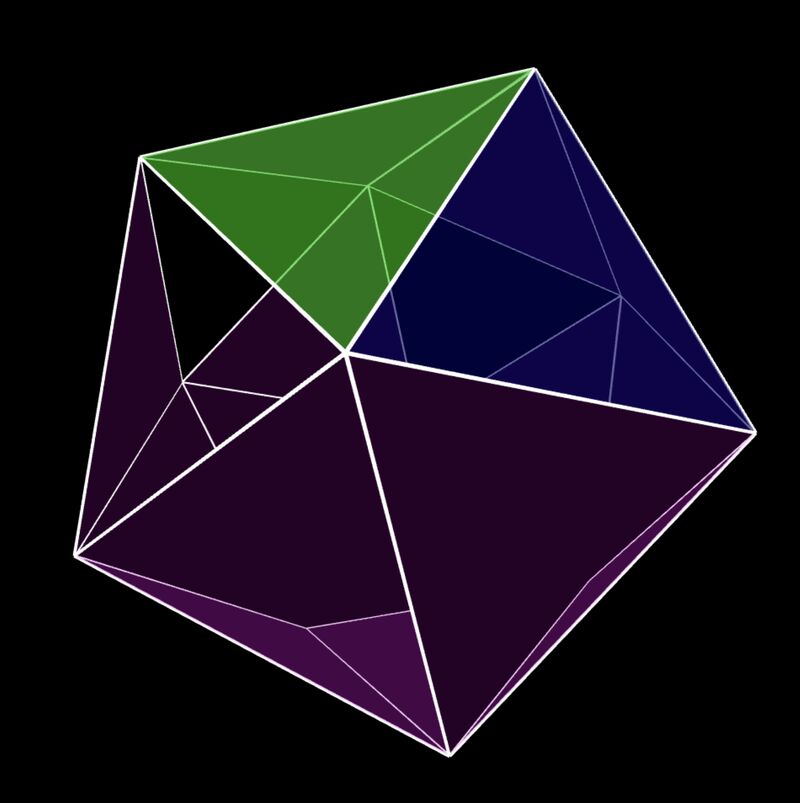
A few years earlier, I had read about an elegant observation made by Luca Pacioli, Leonardo da Vinci's friend, about the icosahedron.
I eventually verified it computationally.
But the dodecahedron remained unfinished.
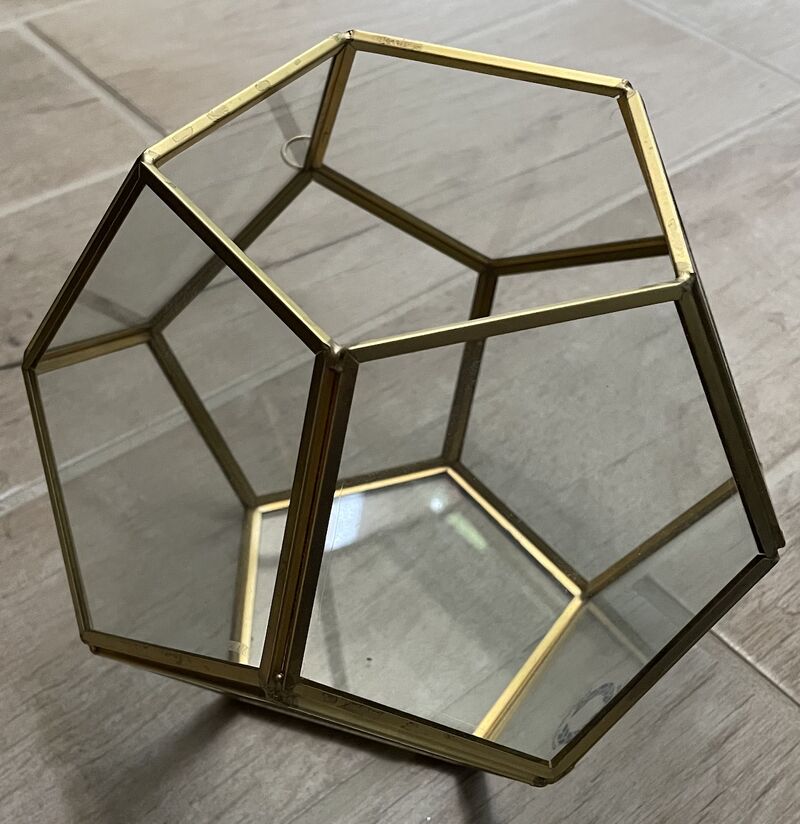
Then, during a family visit to California, I noticed a small dodecahedral lamp that my daughter had brought home from a friend's wedding.
Holding it in my hands changed everything.
The mathematics was no longer just an illustration in a book.
It became something I could rotate, inspect, and finally model.
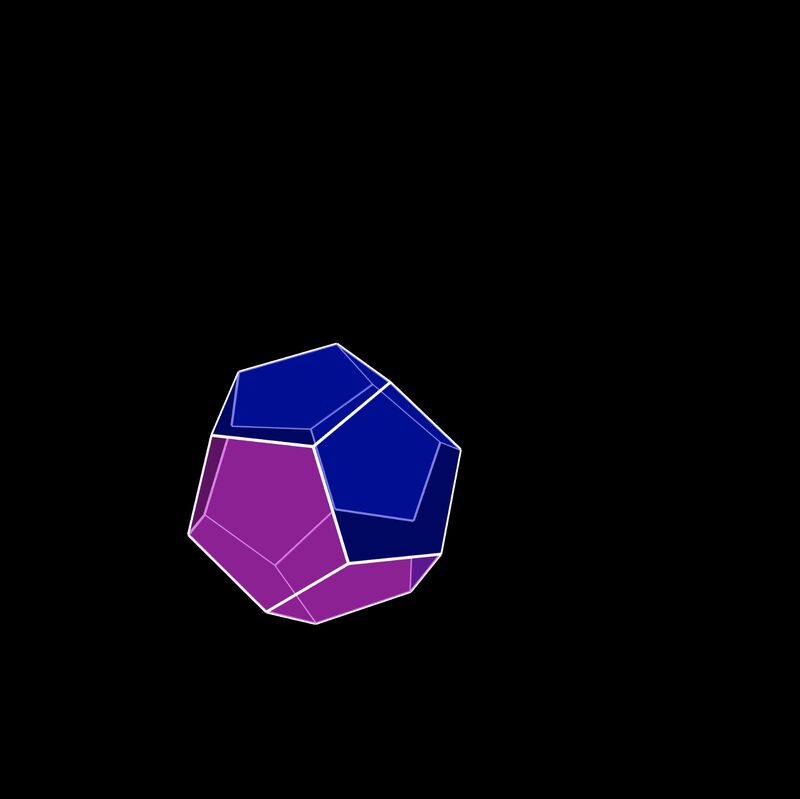
On Lunar New Year's Eve, surrounded by family conversations, laughter, and celebration, I worked through the geometry.
The first ideas weren't perfect.
There were mistakes.
Corrections.
Better shortcuts.
Eventually, the algorithm settled into a form that felt both elegant and practical.
Even my son-in-law—busy as a brand-new father proudly handling every diaper change—paused to follow the reasoning and smiled:
"Makes sense."
Some questions don't need to be answered immediately.
They can wait for years until the right idea, the right tool, or even the right object appears.
Curiosity has remarkable patience.
When it finally meets opportunity, years of wondering can become a few pages of code.
Today, that same algorithm helps my students explore one of geometry's most beautiful solids.
A question carried for years can eventually become something you can build, rotate, and teach.
New tools, physical models, and persistent curiosity gradually transform intuition into an algorithm.
The most meaningful discoveries are often the ones that stay with us long enough to become part of how we learn—and how we teach.