Living Museum of Learning
When the Field Failed, Peter's Robot Still Ran
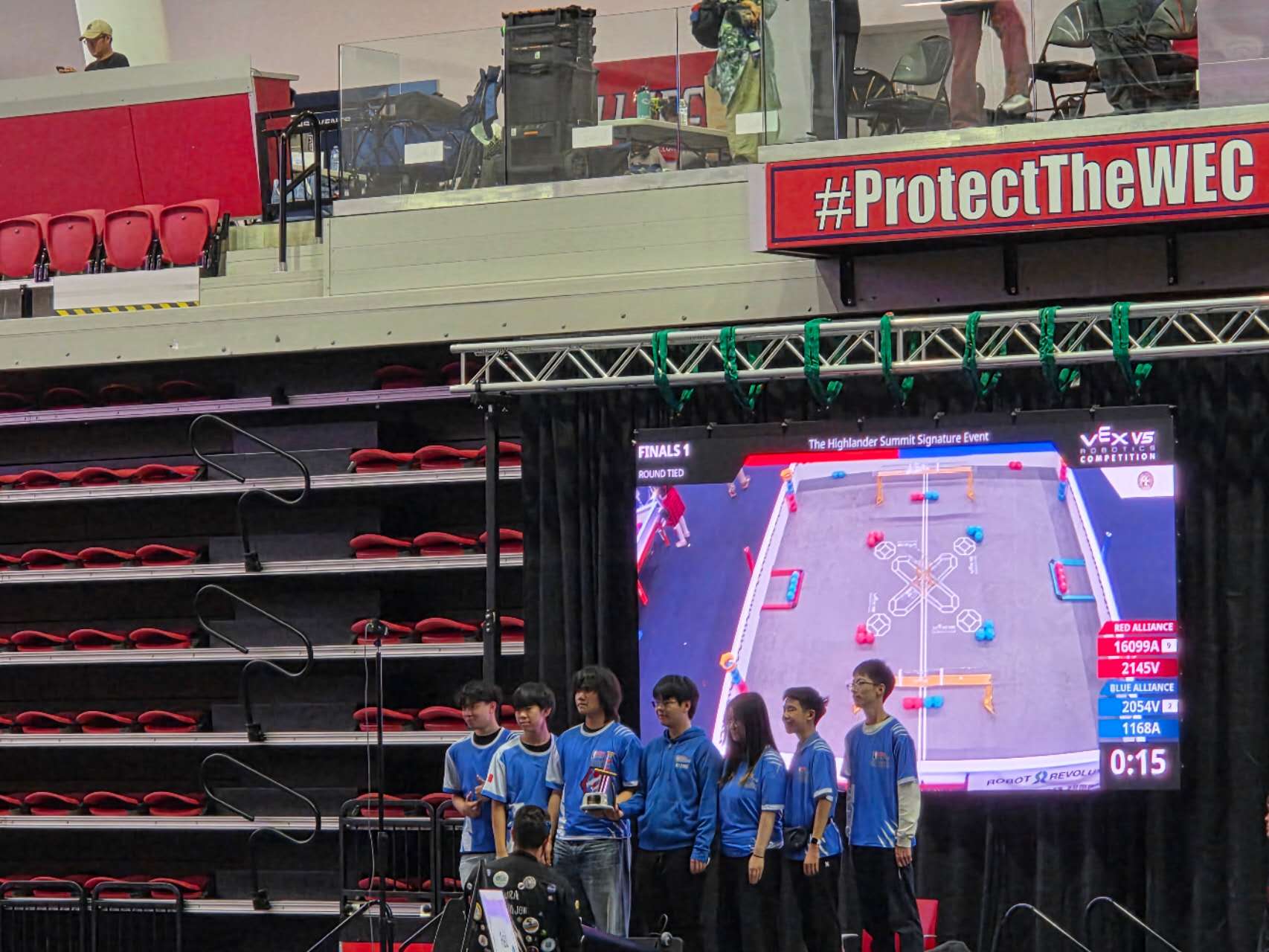
Peter's robotics team traveled to New York for a VEX competition. During the event, the competition field turned out to have defects that prevented autonomous routines from running correctly.
Teams that had prepared extensively suddenly found that their programs no longer behaved as expected.
Peter's team was also affected.
According to his parents, none of the teams were able to get their autonomous programs working during the afternoon.
Peter stayed with the problem.
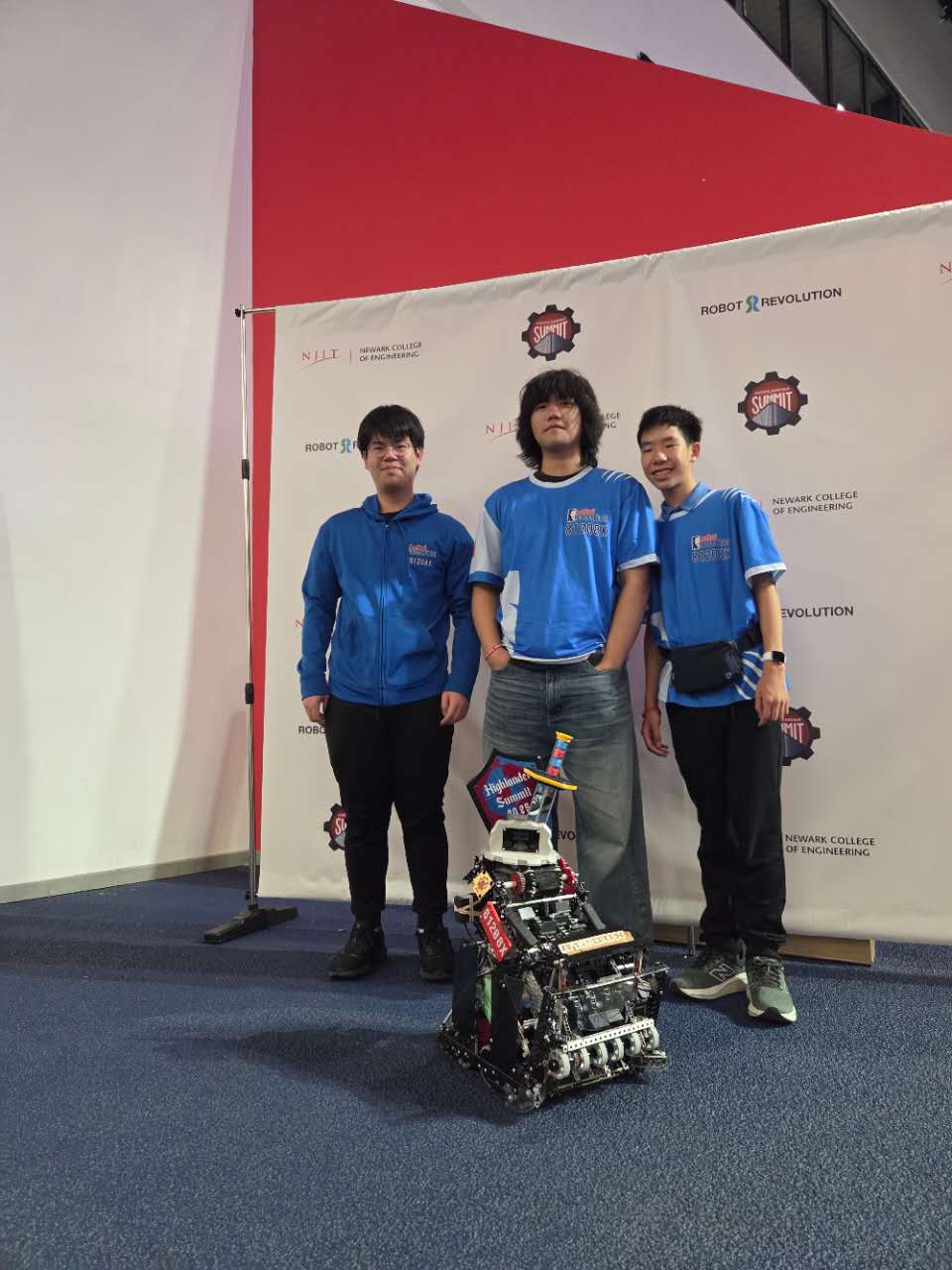
At the competition site, he modified and tested his code repeatedly until his robot completed its autonomous routine successfully.
His father later remarked that Peter was the only student who managed to get the autonomous program running under the competition conditions.
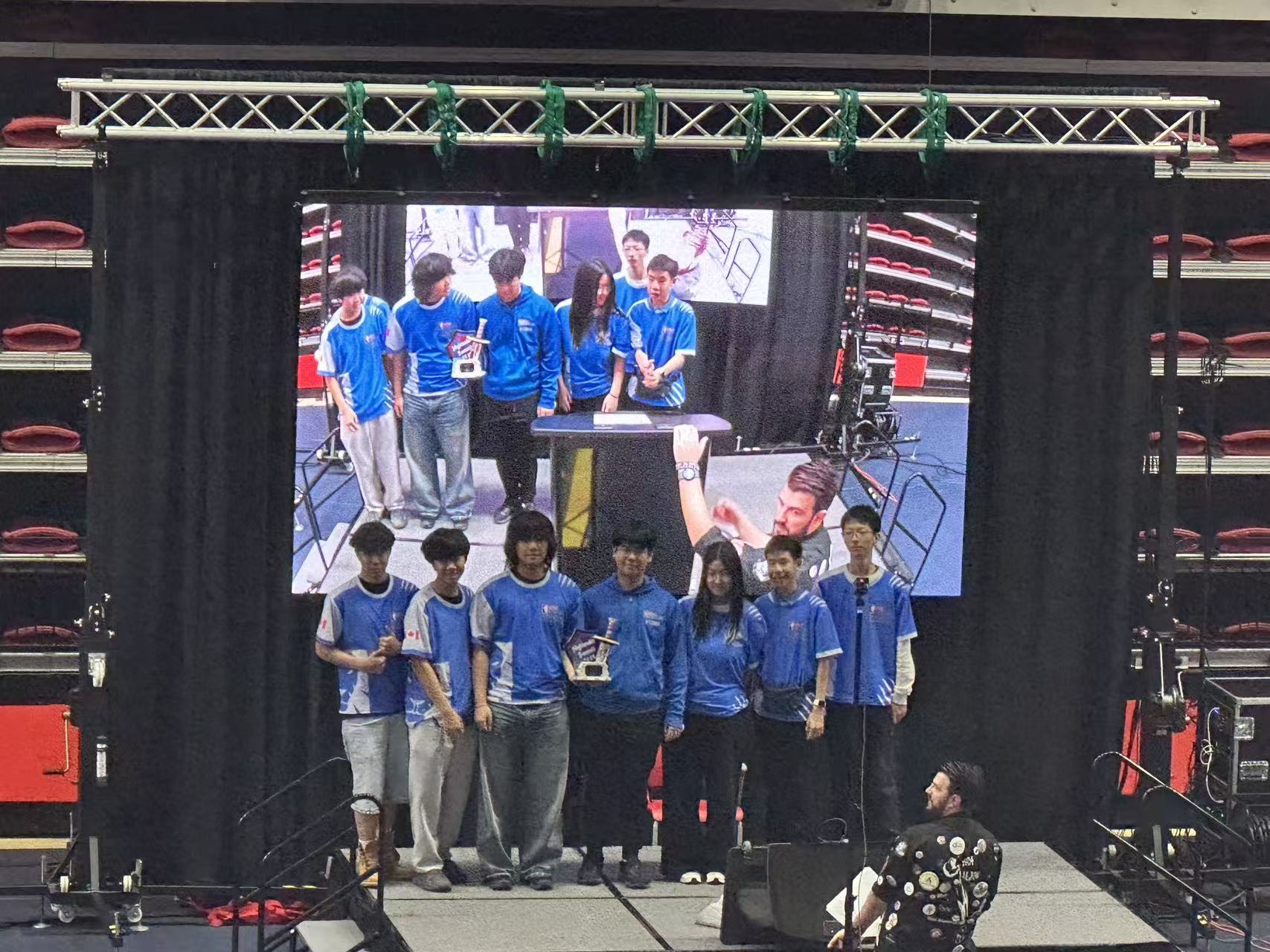
The team eventually received the Amaze Award, recognizing their overall performance.
Peter's individual programming work was also considered for the Think Award.
Meanwhile, his autonomous programming and driver skills reached:
World Ranking: #6
Canada Ranking: #2
His mother later wrote:
"Every award Peter receives has your contribution in it."
For me, the memorable moment was not the ranking itself.
It was hearing that when the field changed, he stayed with the problem until the robot moved again.
Competitions reward results.
Real engineering often begins after the original solution stops working.
Debugging under unfamiliar conditions requires something different from preparation:
observation
persistence
adaptation
trust in one's own understanding
When the environment changed, Peter did not simply run his program.
He rewrote it.