Living Museum of Learning
The Pentagon Was Hiding There
The Pentagon Was Hiding There
Situation
I met Leo about a month ago.
This was his 8th coding class from zero, and his 5th class with p5.js.
He learned very fast, made very few mistakes, and talked very little.
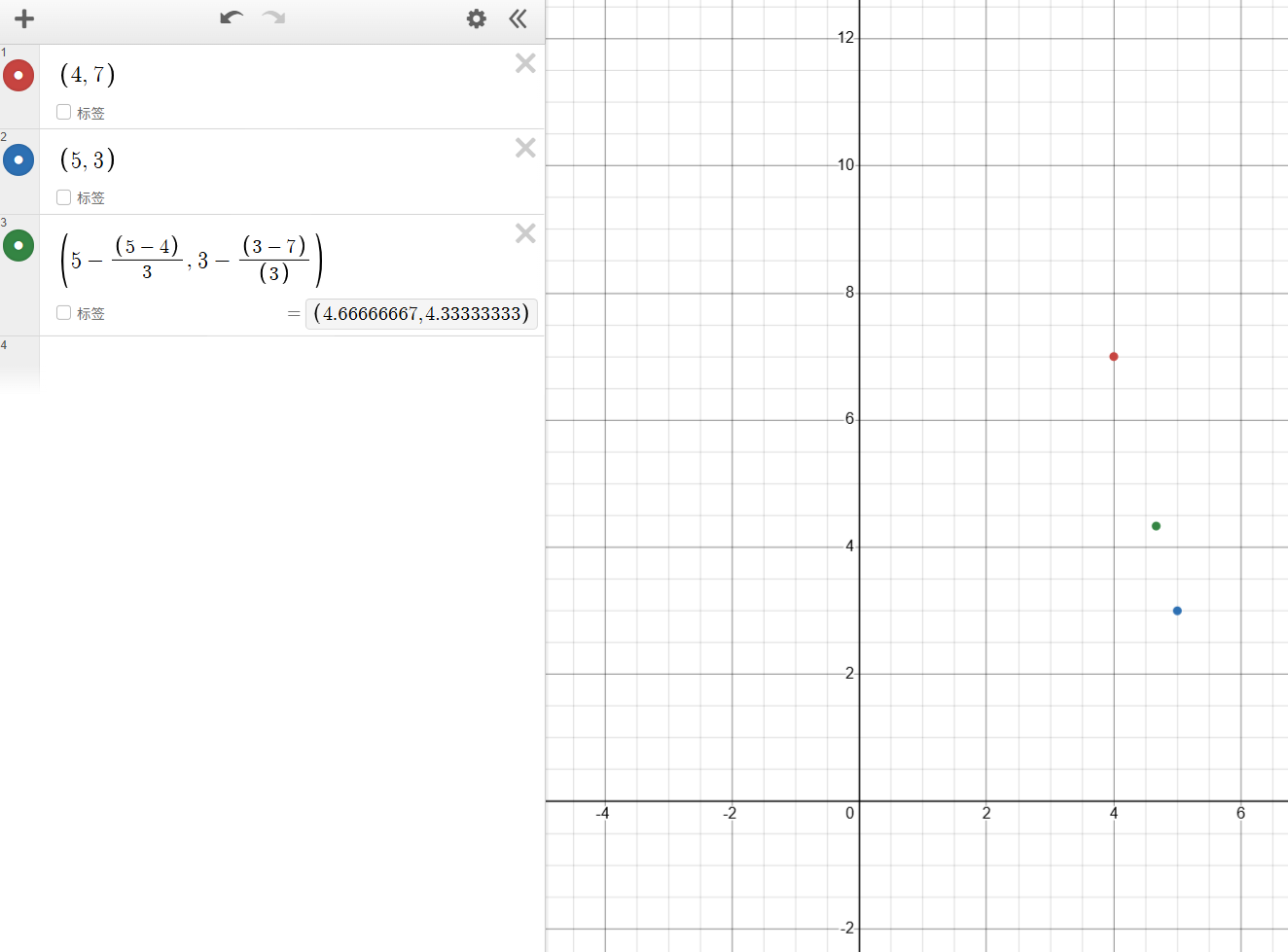
His homework the day before had been about finding a point between two points on a plane. At the beginning of class, he demonstrated that he had really understood it.
He put two arbitrary points on a Desmos plane, found the third point, and showed me that it worked.
“Cool,” I said. “It works in 3D too, right?”
Turning Point
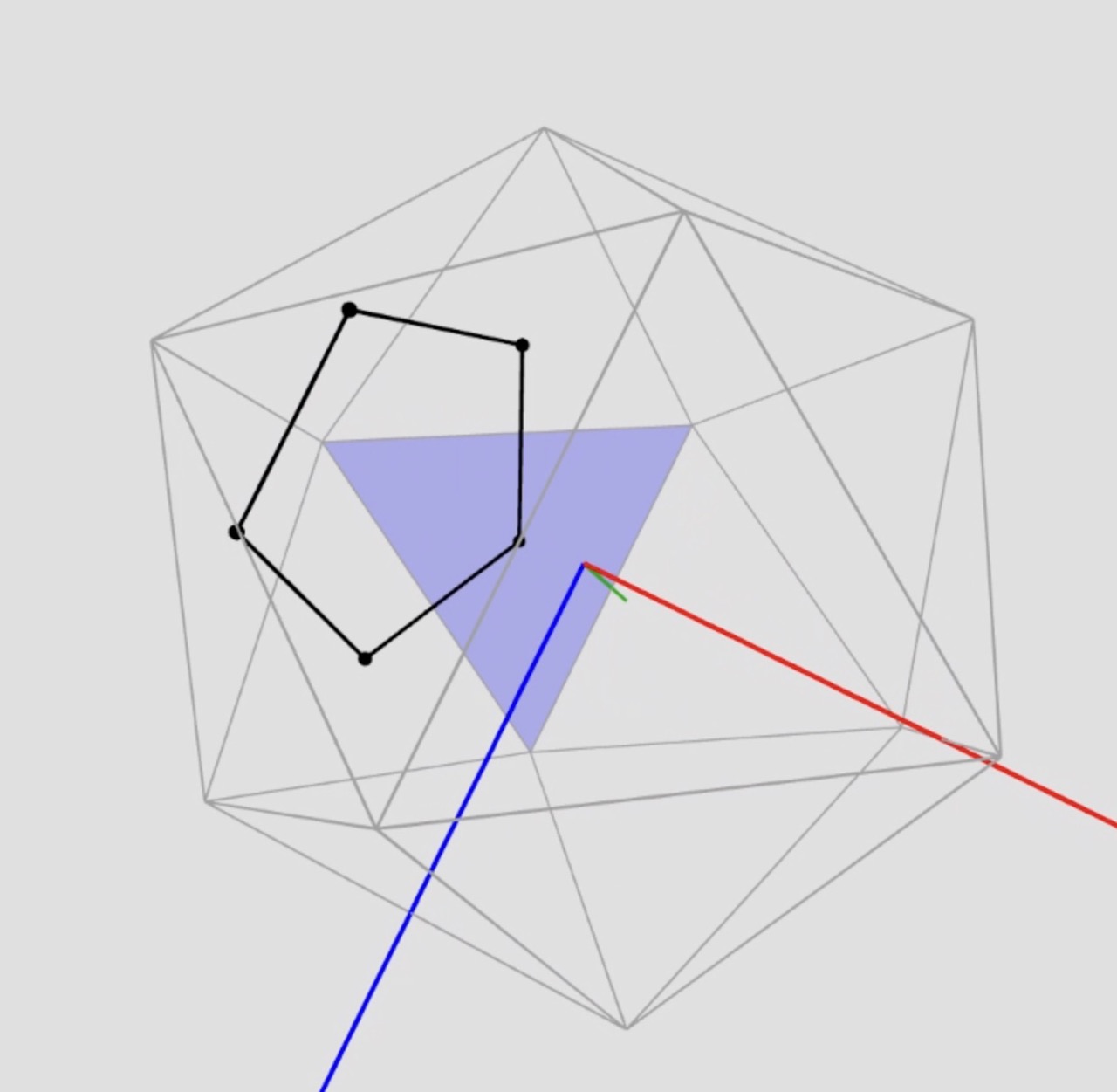
Leo was working with the coordinates of an icosahedron.
He found the center of one triangular face. Then another.
When he had two centers, I stopped him.
“Wait a minute. Why don't we show one more center and connect one more? Let's make the existing edges of our solid less strong, so our new dots and lines will stand out.”
We ran out of time.
But Leo had already connected three centers.
He was fast. And confident.
“It seems to me that you can add a new center in less than one minute,” I said. “What do you expect if we connect those centers close to each other?”
“Pentagon.”
His voice was firm.
“Yes! Pentagon. So we can let it appear before we end our class.”
I couldn't wait.
We extended the class by 15 minutes.
Emergence
Five triangle centers.
Five new edges.
A pentagon appeared.
I watched it emerge live on the screen.
“I've never seen a pentagon out of triangles live like this.”
And I meant it.
Learning
Leo had not been told to make a pentagon.
He had learned how to find a point between two points.
Then he carried that idea from 2D into 3D.
The pentagon emerged from the geometry he had built himself.
Curator's Note
No 20.
No icosahedron.
At least, not yet.
Leo has not counted the faces of his solid.
The dodecahedron hiding behind those triangle centers can wait.
For now, there is simply a boy who found five points, connected them, and confidently predicted:
“Pentagon.”