Living Museum of Learning
A Crazy Idea After the Keynote
Twenty-five years ago, Derek Haoyang Li and I worked side by side in one of China's pioneering mobile Internet companies.
Then our paths diverged.
Derek went on to found Squirrel AI Learning, helping pioneer adaptive learning at global scale and later leading international efforts on AI education standards.
I quietly chose a very different journey.
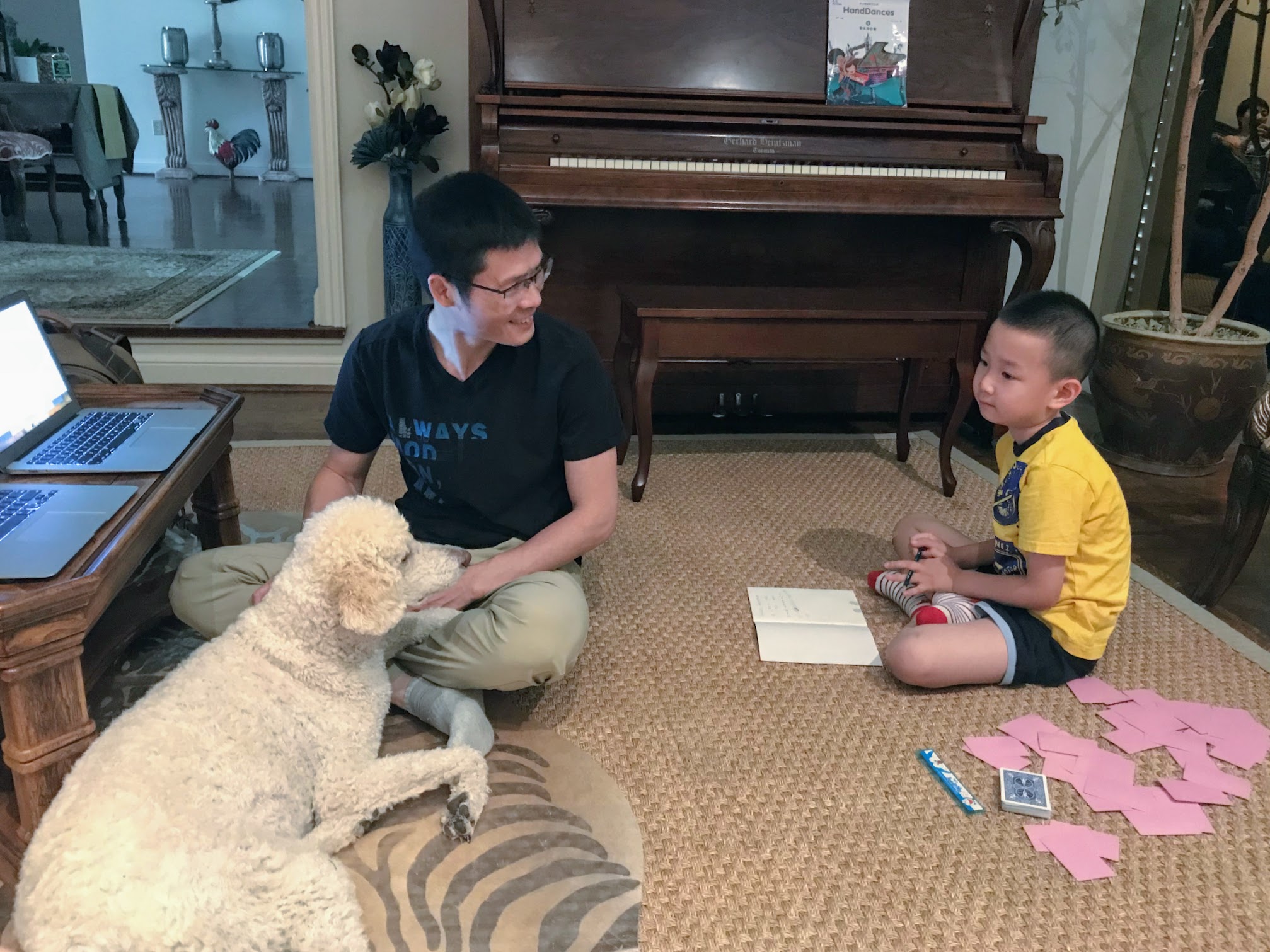
For 8 years, I have worked one student at a time.
Every lesson.
Every question.
Every breakthrough.
Eventually, those moments grew into what I now call the Living Museum of Learning.
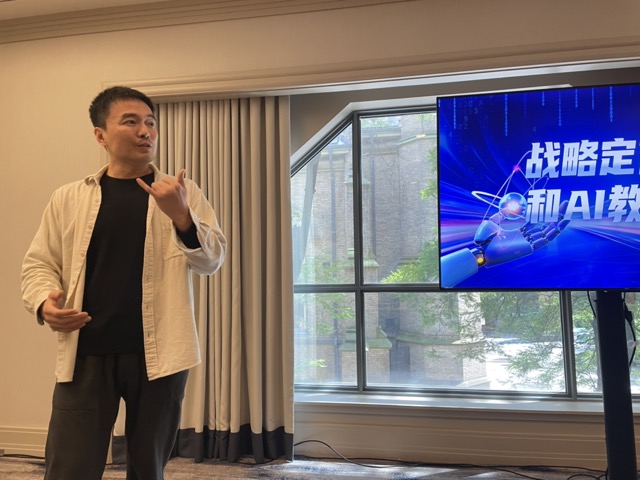
When I attended Derek's keynote on AI for Education in Toronto, I was genuinely inspired.
His vision for AI is extraordinary.
But as I listened, another idea quietly formed.
The idea surprised even me.
What if we stopped debating whether AI or human teachers are better...
...and instead designed an honest experiment?
Imagine two students with similar starting points.
The same number of instructional hours.
The same assessment schedule.
The same learning goals.
One primarily learns through a state-of-the-art adaptive AI system.
The other learns through intensive one-on-one human mentorship.
Not to determine a winner.
But to discover what each approach uniquely contributes.
The more I thought about it, the more I realized something.
AI can already do many remarkable things that I cannot.
It can analyze learning patterns across millions of students.
It never gets tired.
It scales effortlessly.
But there are also moments I encounter almost every day that are difficult to reduce to data.
The student who proudly submits a square instead of a parallelogram.
The child who voluntarily postpones a break because learning has become more interesting than resting.
The hesitant "guess" that reveals understanding before confidence.
The quiet question at the end of class:
"You took a screenshot of my answers, right?"
Those moments rarely appear on a dashboard.
Yet they often reveal how a learner is changing.
Perhaps the future of education needs both kinds of intelligence.
For years, I believed I was simply developing my own teaching philosophy.
After Derek's keynote, I realized something else.
A philosophy becomes much more valuable when it is willing to be tested.
If an AI system helps students grow more effectively in some areas, we should celebrate and learn from it.
If thoughtful human mentorship develops qualities that remain difficult to automate, we should preserve and strengthen those experiences.
Education deserves curiosity, not ideology.
The most meaningful question is not:
"Who wins?"
It is:
"What kind of growth is each approach uniquely able to create?"
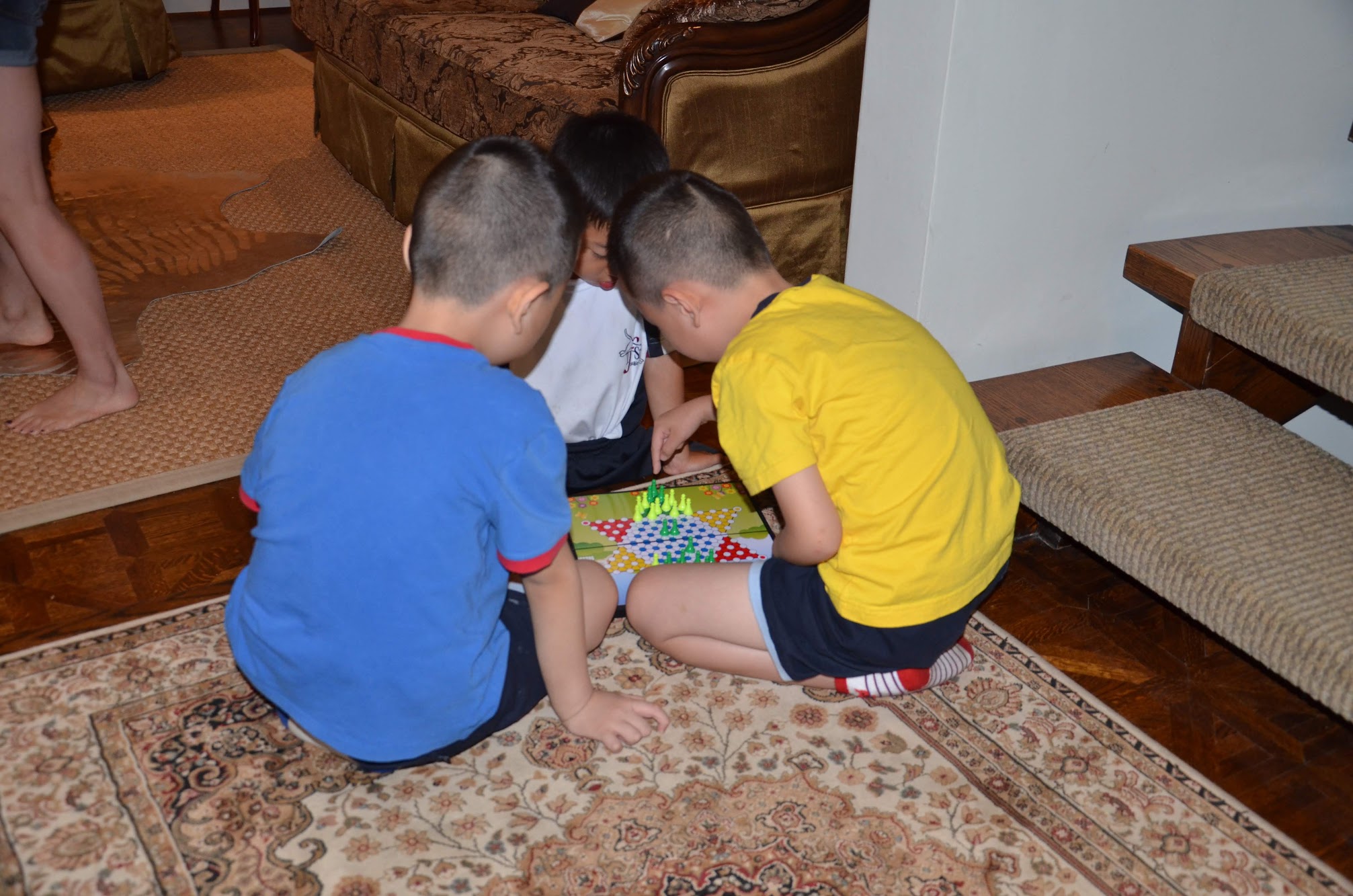
Ironically, the strongest evidence against "AI versus teachers" may already exist in my own experience. For more than five years, Derek's twin sons learned with both Squirrel AI and weekly one-on-one mentoring. Looking back, perhaps the real question was never which approach was better—but how each amplified the other.
If we intentionally combine the best human mentorship with the best artificial intelligence, what kinds of learners could emerge that neither approach could cultivate alone?