Living Museum of Learning
When Two Educational Journeys Meet Again
Years ago, I remotely tutored Derek Haoyang Li's twin sons, Marius and Lucas, one-on-one for more than five years.
We explored mathematics, programming, logic, and ways of thinking far beyond school curricula. Like every child I have worked with, they were never simply "students." They were explorers.
After our lessons ended, life moved on.
Derek continued building Squirrel AI Learning into one of the world's leading AI education companies. I continued tutoring students individually while gradually developing what would become the Living Museum of Learning—a place that preserves the moments when learning truly comes alive.
For years, our educational journeys unfolded independently.
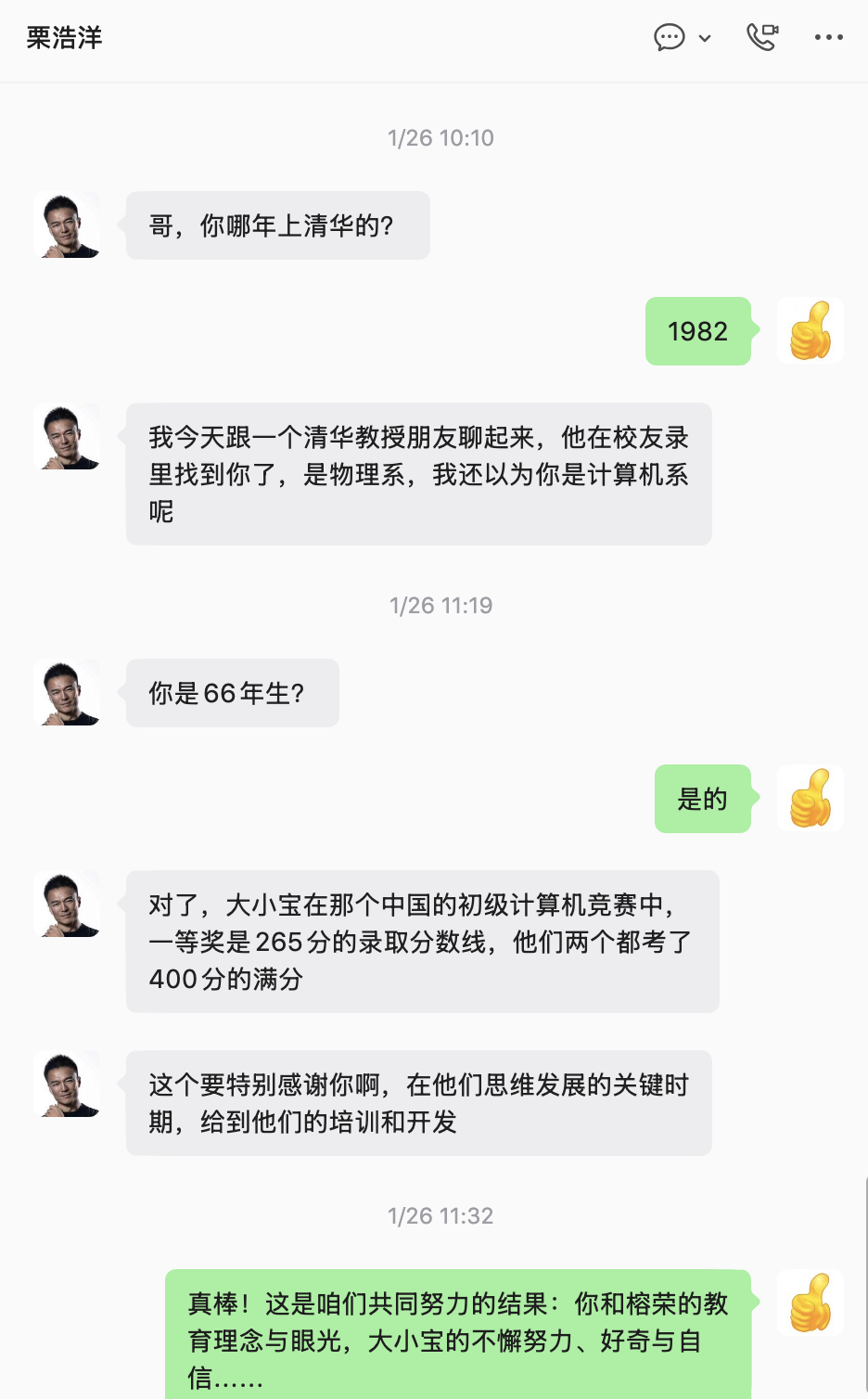
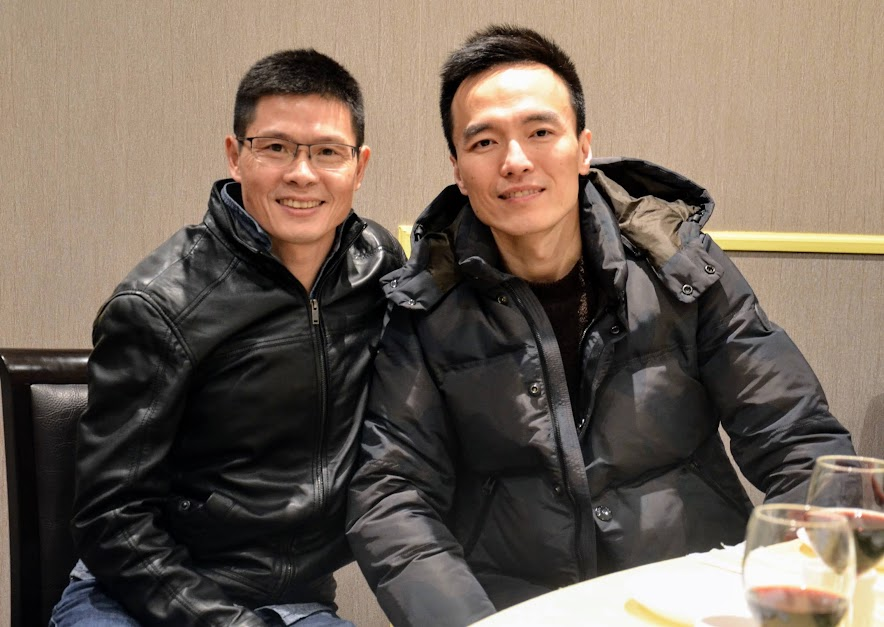
On Monday evening, I unexpectedly received a WeChat message from Derek.
He was in Toronto attending a global YMCA conference and invited me to his keynote presentation on AI for Education.
The next afternoon, I listened as he described Squirrel AI's latest work, including its Large Adaptive Model (LAM), international collaborations, and his leadership in global AI education standards.
Seeing how far his work had evolved was inspiring.
But there was an even bigger surprise.
Months earlier, Derek had sent me a message that I had never fully appreciated until now.
He wrote that when his twin sons were at a critical stage of intellectual development, my tutoring had played an important role. He shared that both boys later earned perfect scores on one of China's most competitive junior computer science entrance examinations, and thanked me for helping develop their way of thinking during those formative years.
As a teacher, there are few compliments more meaningful than hearing from a parent many years later—not about grades, but about lasting intellectual growth.
Standing in the audience, I realized something beautiful.
Although Derek and I had chosen very different paths, we had never stopped pursuing the same question:
How can we help children learn better?
He approached it through artificial intelligence, adaptive learning models, and educational systems serving millions of students.
I approached it through one-on-one mentoring, mathematical exploration, creative programming, and documenting authentic learning moments.
One path scaled outward.
The other went deeper.
Neither path diminished the other.
Instead, they illuminated different dimensions of the same mission.
Education is not a competition between human teachers and artificial intelligence.
The future belongs to those who understand how each can amplify the other.
AI can personalize practice, diagnose misconceptions, and make quality learning accessible to millions.
A mentor can recognize curiosity, build confidence, inspire courage, and notice the moment a child's eyes light up with discovery.
The most meaningful educational future may not be AI replacing teachers.
It may be AI giving more children the opportunity to experience the kind of human mentorship that changes the course of a life.