Living Museum of Learning
The First Four Hours
Cloud had just received his very first MacBook Air.
The computer was still unfamiliar.
The trackpad didn't seem to work.
Slack couldn't be found.
Chrome refused to download.
Python crawled along at a few percent.
Everything seemed to go wrong.
It would have been easy to conclude:
"Nothing works."
Instead, I smiled and said,
"No rush. No worry. Our whole life is a problem-solving journey. Right now, we're simply solving problems."
That became the theme of our very first lesson.
Cloud had just finished Grade 8.
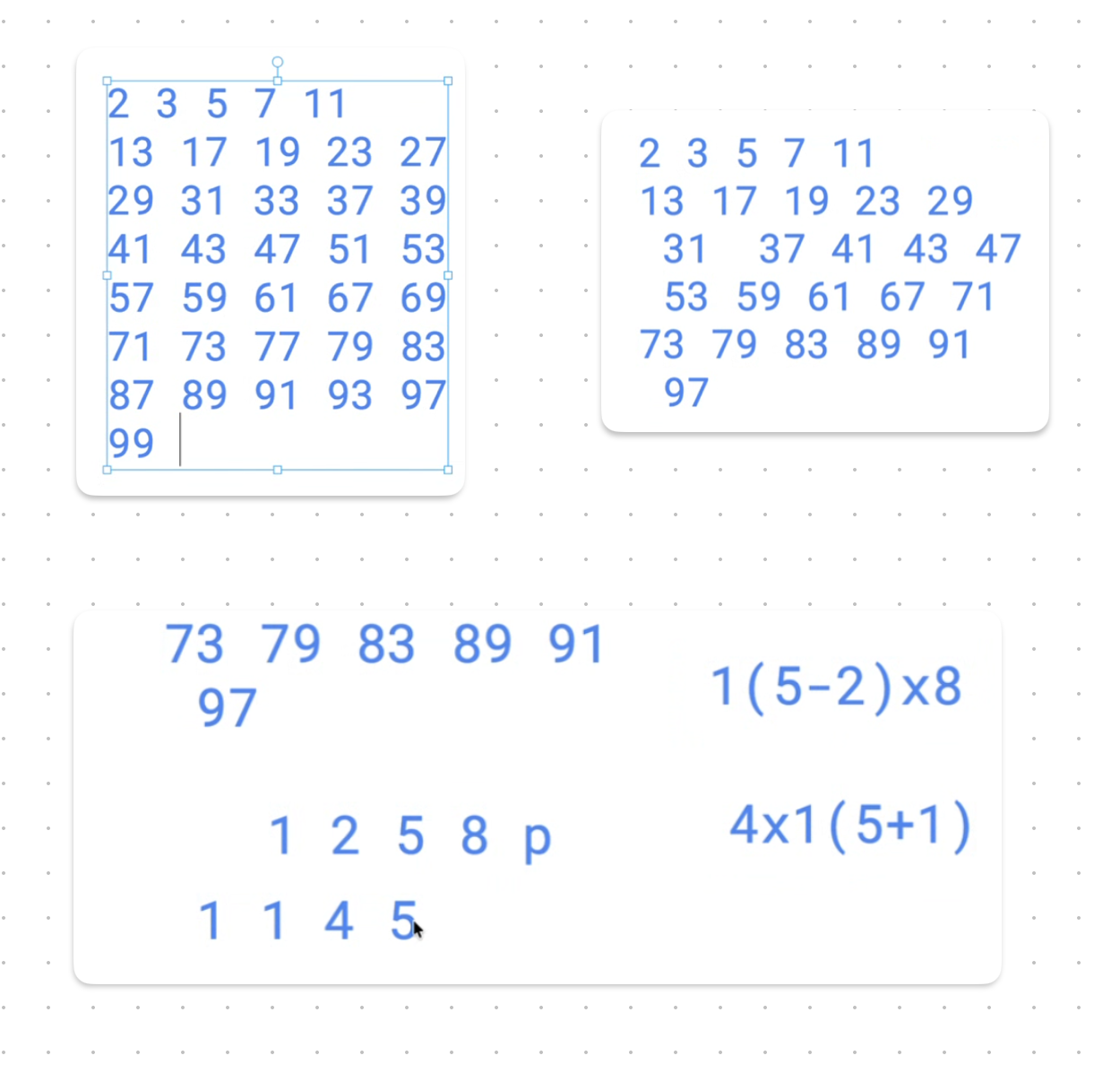
I asked him to list all the prime numbers below one hundred.
He wrote down thirty-six numbers.
Then I realized something surprising.
He didn't know what a prime number was.
He had never learned the English term.
Nor did he recognize the Chinese words 素数 or 质数.
Later, I gave him a very simple 24-point puzzle.
His first reaction was:
"Can you tell me the answer?"
A little while later, after another puzzle, I gently asked,
"Would you like me to show you the first one as an example?"
His reply made me smile.
"Let me think."
At that moment, something had already changed.
We eventually woke up his father.
Not because Cloud couldn't learn.
Because we needed one experienced game developer to help us establish a bridge between Shenzhen and Toronto.
Twenty minutes later, Slack suddenly came alive.
The bridge was open.
His father quietly returned to bed.
Cloud and I continued exploring together.
The MacBook stopped being the center of attention.
It became what every great tool should become.
Almost invisible.
The real adventure had begun.
Cloud solved his first 24-point puzzle.
Then another.
He discovered that the lower part of the trackpad wasn't broken at all.
It was simply waiting to become his left mouse button.
Even the list of prime numbers changed.
The second time, it contained twenty-six numbers instead of thirty-six.
Not perfect.
But unmistakably closer.
Four hours passed.
Neither of us noticed.
When I finally suggested we stop because Python was still downloading, Cloud looked at the clock.
"Oh yeah," he said.
"This is usually my bedtime."
After we said goodbye, his mother sent me a message.
"看起来学得很愉快。"
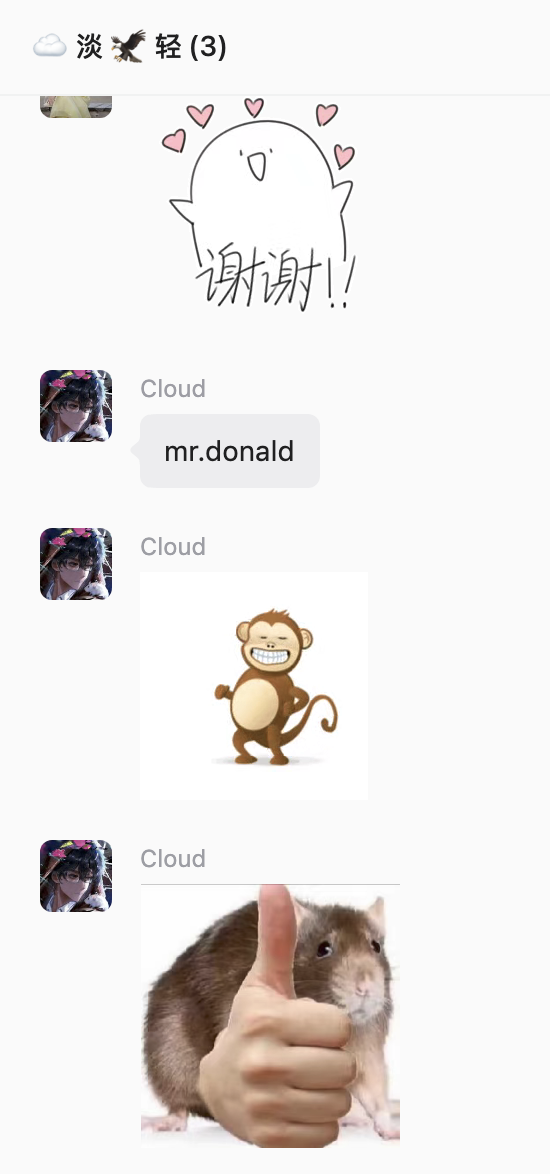
Then, in our little WeChat group, Cloud filled the screen with thumbs-up emojis and dancing monkeys.
Looking back, I realized something.
The first lesson wasn't really about Python.
Or Xcode.
Or even mathematics.
It was about discovering that learning can be joyful.
And that difficult problems are not signs to stop.
They are invitations to think.