Living Museum of Learning

The Company That Outlived Itself
This morning, I opened my eyes and found myself in a newly created WeChat group.
天派天之骄子联系群.
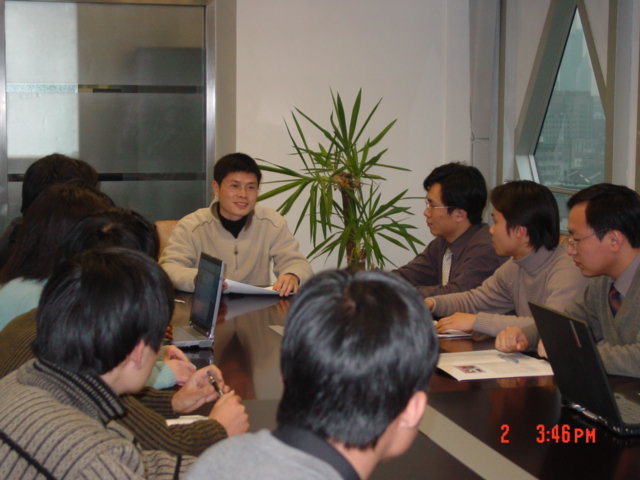
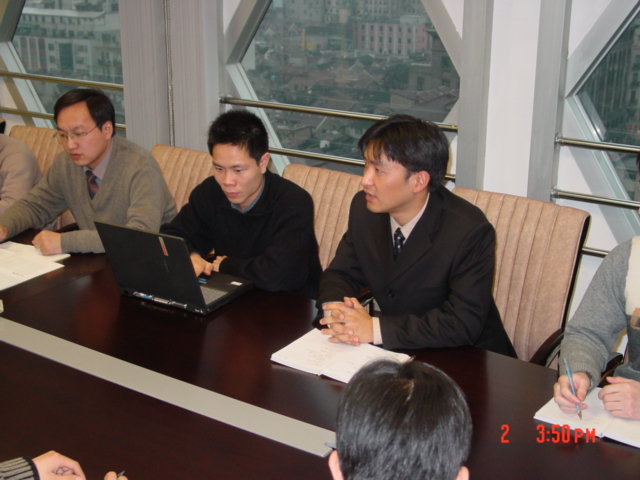
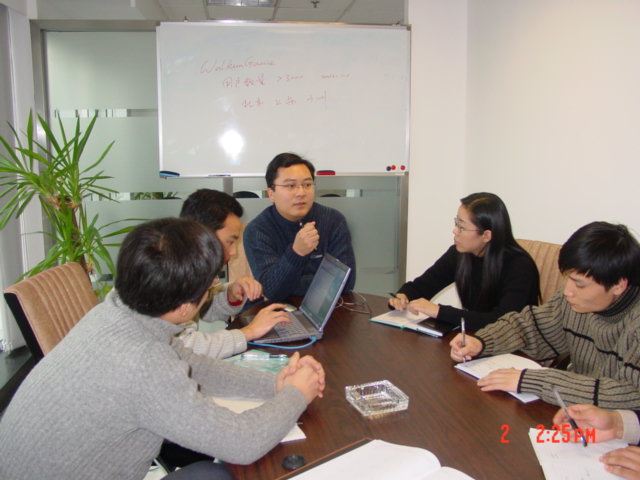
One by one, familiar names began to appear. Then came profile photos. Then old photographs from a quarter century ago.
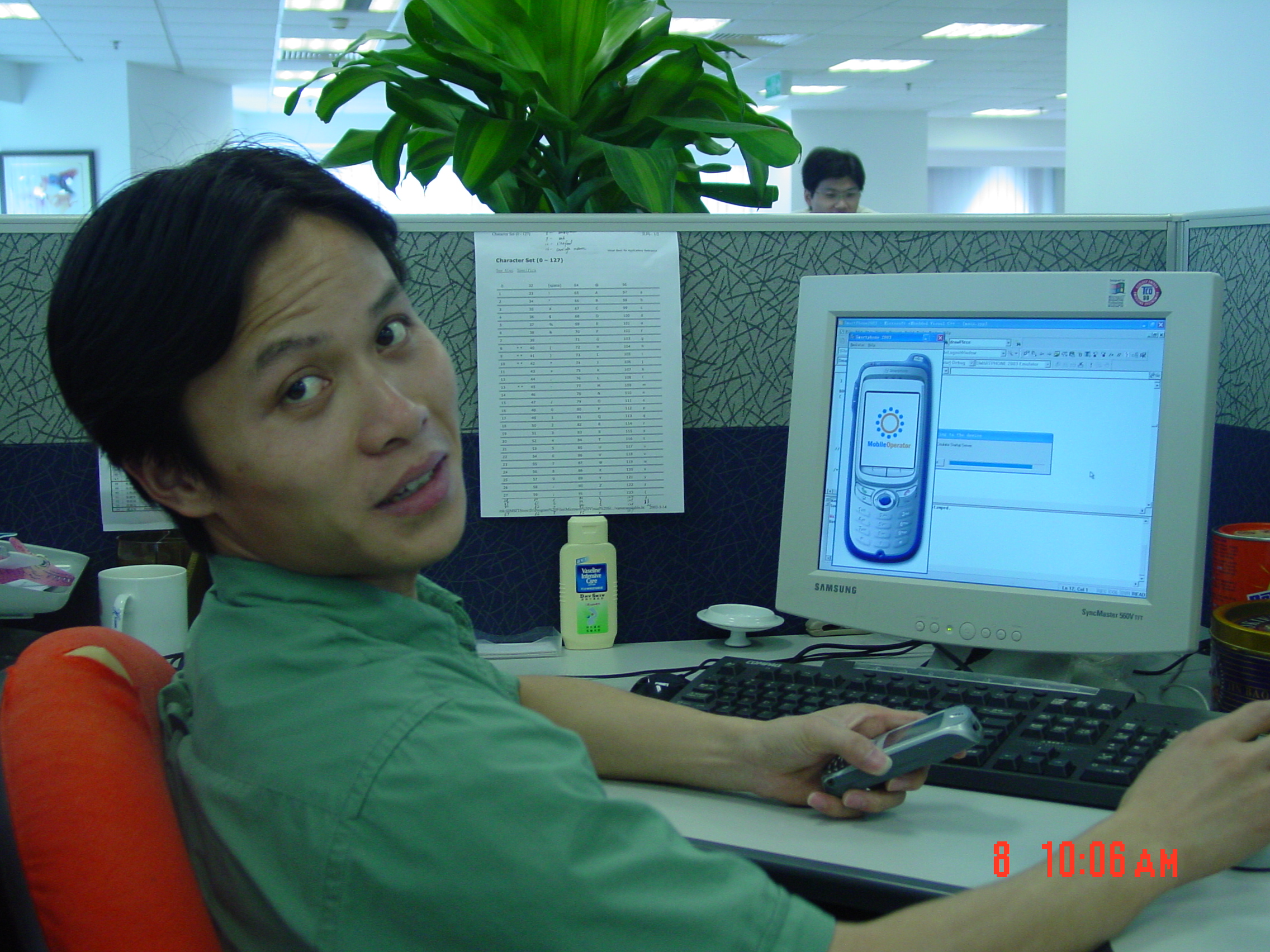
One teammate, Wang Qiang, shared a collection that almost didn't survive. Years ago, before cloud storage was part of everyday life, he quietly removed the hard drive from an old computer and kept it. When our former marketing director, Wu Ming, saw the photos, he laughed, "What? You already had cloud storage back then?"
We all laughed.
But that old hard drive had preserved something no cloud service ever could.
Our youth.
Within minutes, twenty-five years seemed to disappear.
The photos awakened memories that no single person could have recovered alone.
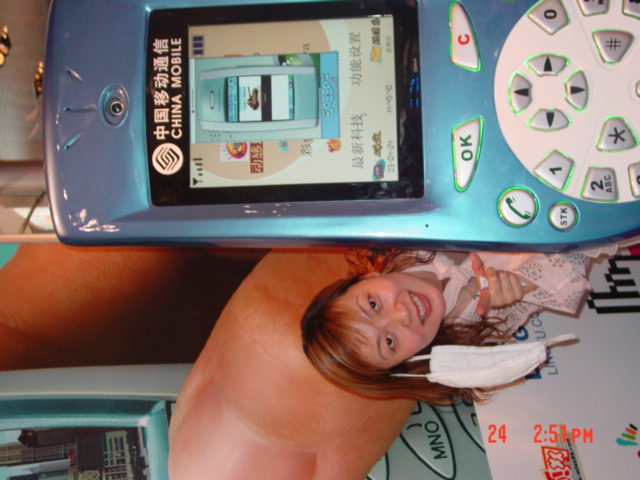
"That was the Mobile Communications Exhibition."
"I think I was on television."
"I still have my Guangming Daily interview about QR codes. QR codes hadn't become popular yet."
"Our networked mobile games were so advanced."
"I later spent years developing mobile games, and I've always been proud of what we built back then."
"Back then, we were simply too far ahead."
No one was trying to write history.
Each person contributed only one small fragment.
A photograph.
A conversation.
A forgotten detail.
Together, dozens of people slowly reconstructed a startup that had disappeared twenty-five years earlier.
Then the conversation quietly changed.
People stopped talking about Tianpai.
They started talking about their lives.
One former teammate now runs her own company.
Another built what he believes was one of the world's earliest mobile online role-playing games.
Others became engineering leaders, entrepreneurs, technologists, and lifelong learners.
Reading their stories, I felt something I had never expected.
Perhaps Tianpai had never really disappeared.
It had simply continued living inside its people.
Then Adam wrote a sentence that stopped me.
"虽然原来的公司似乎是失败了,但大家都得到了成长,后面大家的事业是成功的。"
("Although the company itself may have failed, everyone grew from it, and later succeeded in their own careers.")
At that moment, I realized I had been asking the wrong question for twenty-five years.
I had wondered whether Tianpai had succeeded.
Perhaps the better question was:
What did Tianpai actually build?
The answer was standing right there in the WeChat group.
Not a company.
People.
Most startups are measured by products, revenue, or exits.
Twenty-five years later, none of those seemed to matter very much.
What remained were friendships.
Trust.
The courage to build again.
The confidence to start companies of our own.
The curiosity to keep learning.
The willingness to help the next generation dream even bigger.
A startup may exist for only a few years.
But the people it shapes continue building for decades.