Living Museum of Learning
The Power of Reasoning
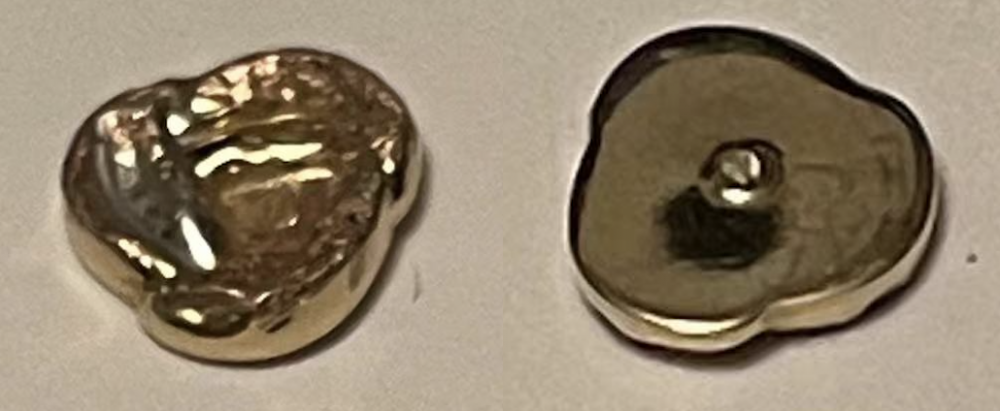
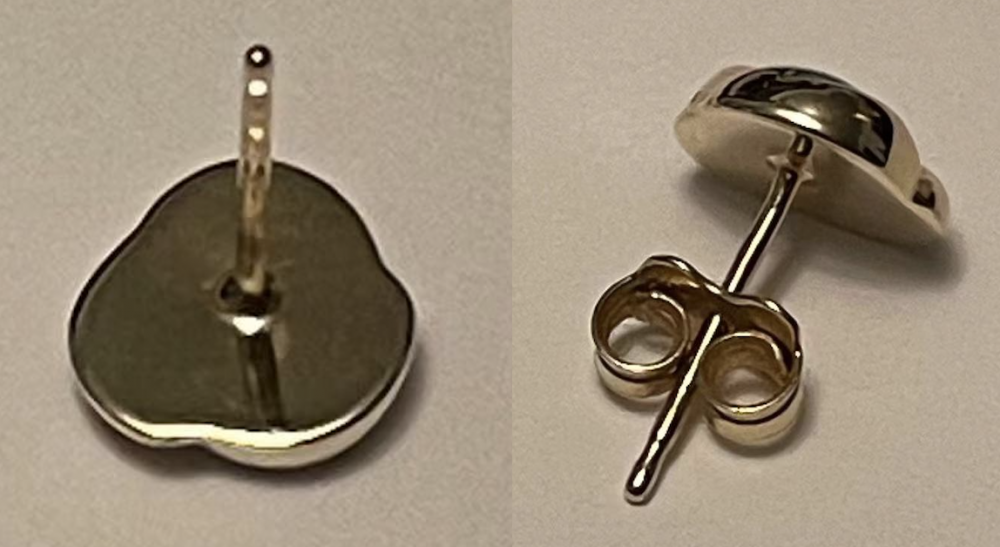
Several months earlier, my wife lost one of her favorite earrings while we were swimming at our community pool during the winter.
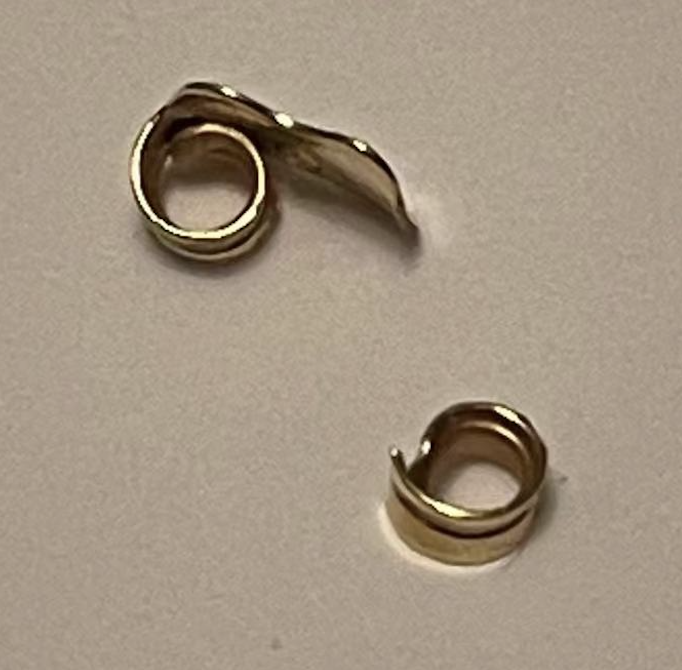
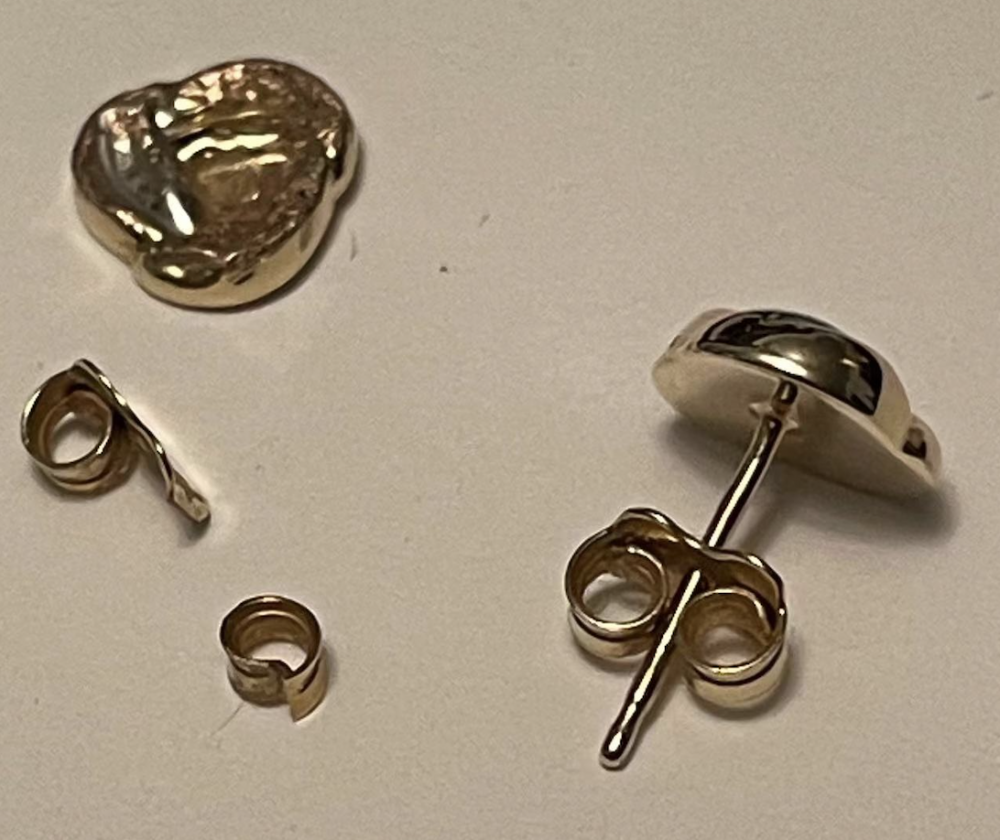
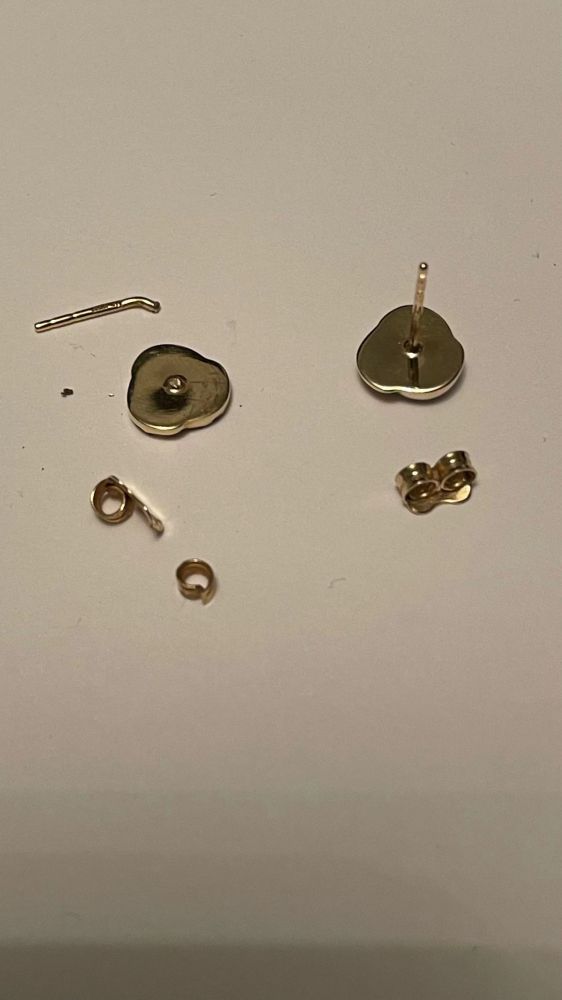
We searched around the pool deck, inside the water, and along the snowy path home. We found only a tiny broken piece of the earring, but the main part had completely vanished.
Eventually we gave up.
Months passed. Winter turned into spring.
Then one evening, my wife unexpectedly found a small metal piece on the driver's side floor mat of our car. It looked strangely familiar.
After comparing it with the remaining earring, we realized that it was indeed part of the missing one.
But this discovery made no sense.
The swimming pool and the car had absolutely nothing to do with each other.
The moment we confirmed that the metal piece belonged to the missing earring, the real mystery began:
How could an object lost months earlier at the swimming pool suddenly appear on the floor mat of a car?
Clothing seemed unlikely.
Winter jackets made no sense.
Snow pants made no sense.
Hats were irrelevant.
Then a bold idea appeared:
What if someone had stepped on the earring?
Perhaps the earring had become embedded in the sole of a shoe. Over time, the decorative front piece might have worn away, followed by the separation of the base and the pin.
If this were true, the metal base found on the car mat would be exactly what one would expect.
I immediately examined the pair of shoes that I believed my wife usually wore to the pool.
Nothing.
The shoe sole contained no evidence.
The theory appeared to fail.
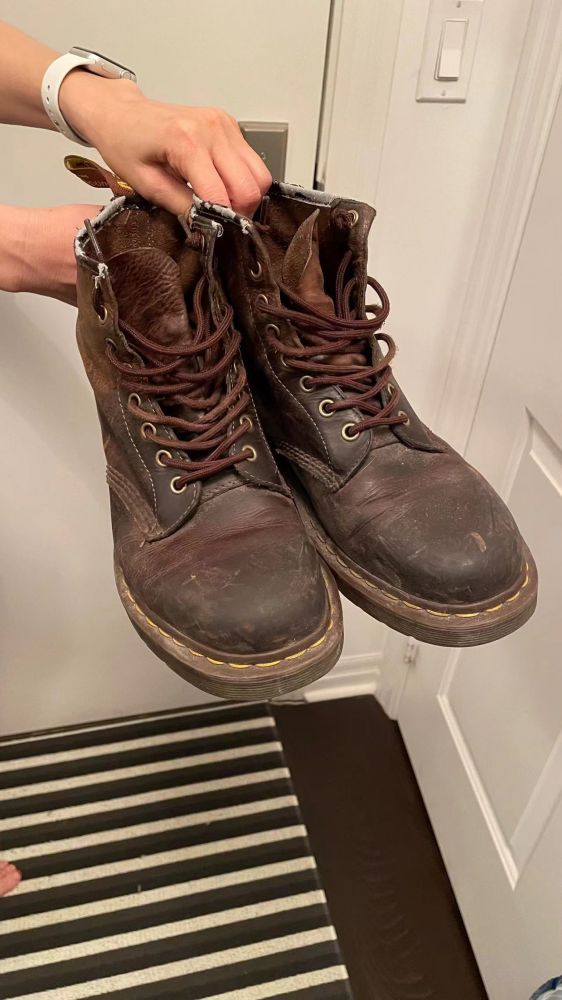
Then my wife mentioned that she had also worn another pair of shoes to the pool—an old pair of black boots that had already been donated.
The case seemed lost.
But another thought emerged:
Why did it have to be my wife's shoe?
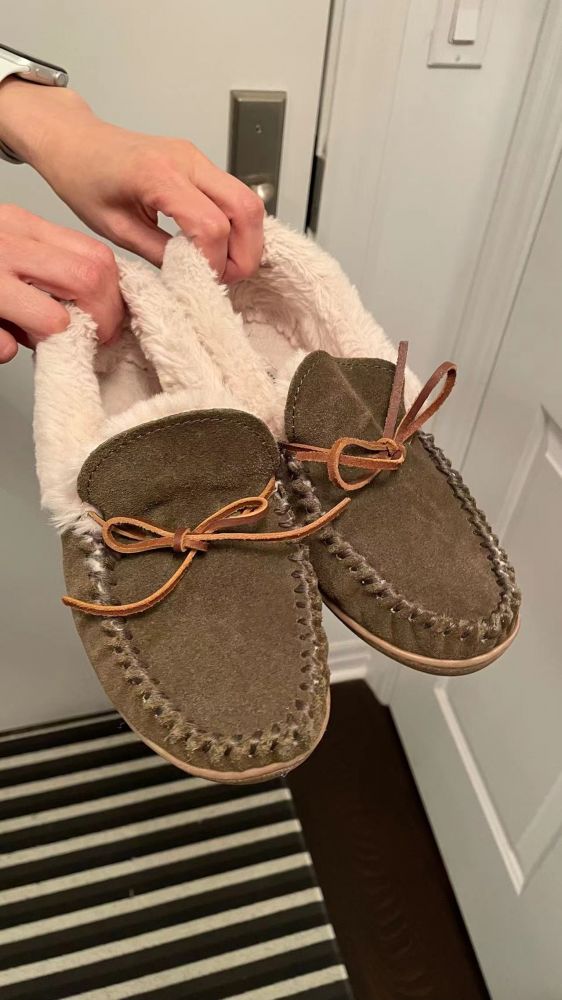
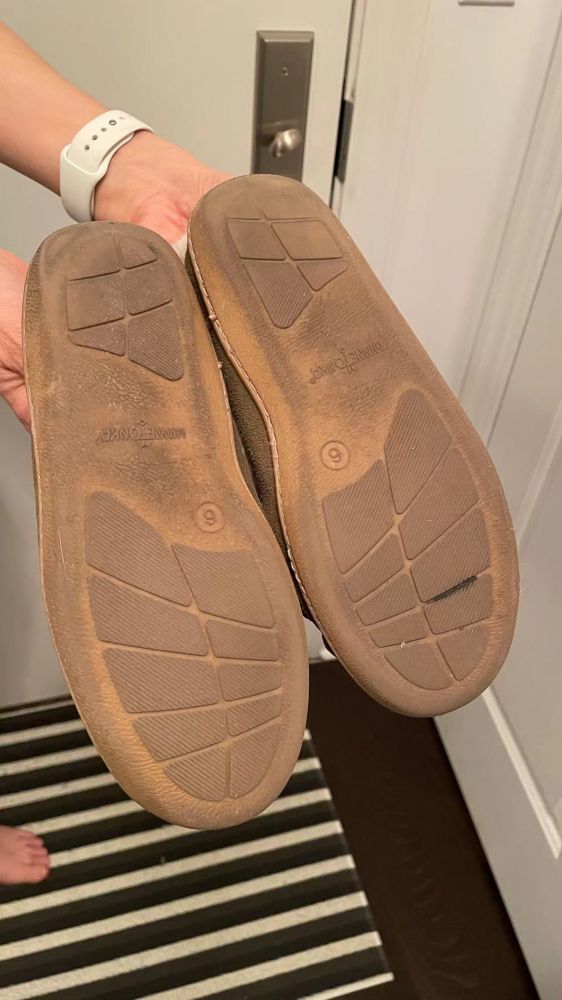
I picked up my own worn slip-on shoes, the pair I regularly wore to the swimming pool.
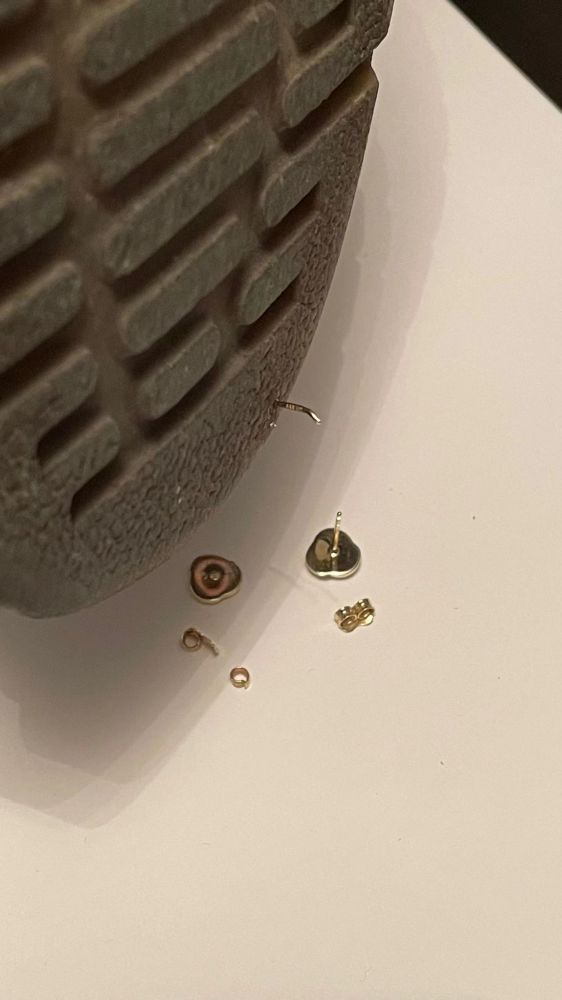
I turned one over.
There it was.
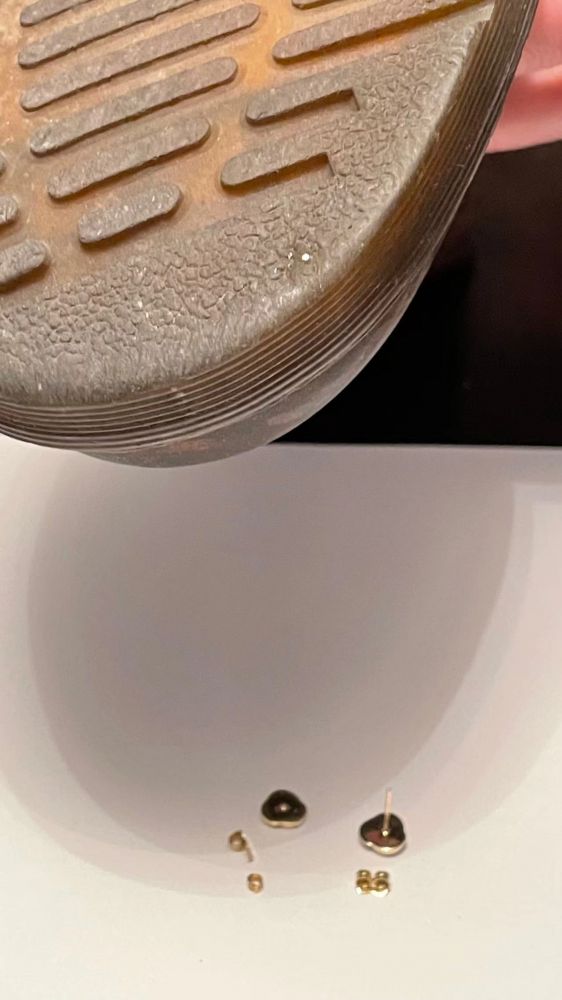
A tiny metal pin was still embedded deep inside the sole.
The entire chain of events suddenly became clear.
The earring had fallen near the pool.
I had unknowingly stepped on it.
The pin became lodged in my shoe.
Months of walking gradually wore away the outer pieces.
Eventually the metal base fell onto the car mat.
The final piece of evidence had remained hidden in my shoe all along.
Logic does not magically produce answers.
Instead, it works by:
eliminating impossible explanations,
preserving plausible ones,
following evidence wherever it leads,
and revising assumptions when new information appears.
The most memorable part of this experience was not recovering an earring.
It was realizing how powerfully reasoning can explain events that initially appear impossible.
What seemed almost supernatural turned out to be an ordinary chain of causes connected across time.
Reality often leaves clues.
Reasoning allows us to follow them.
An apparently impossible event can often be explained through careful reasoning.
Observation, hypothesis, elimination, and verification gradually reveal the truth.
This experience demonstrates that logical thinking is not confined to mathematics or science. It is a powerful tool for understanding everyday life.