
Living Museum of Learning
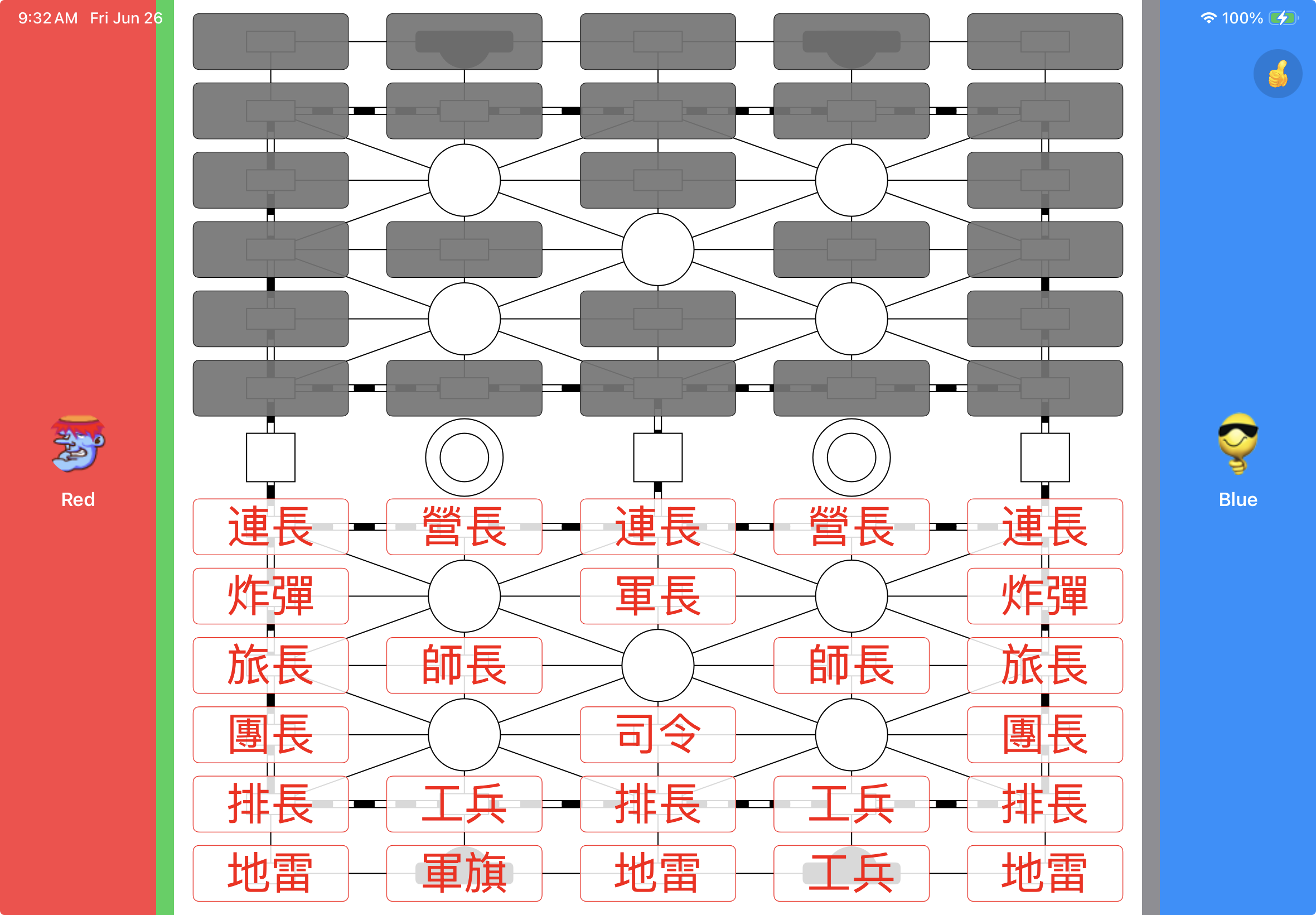
Golden Junqi v1.1 — Build 4: The Revival Cycle
Apple issued an App Store Improvement Notice stating that Golden Junqi has not been updated for over three years and is scheduled for removal in 90 days unless a new version is submitted.
At the same time, the current App Store version (v1.0) remains functional, while v1.1—submitted years ago—still exists as a rejected but structurally relevant milestone in the project history.
Instead of treating this as a maintenance update, we decided to re-enter the system and rebuild Golden Junqi as part of the Golden Platform ecosystem.
This includes adopting GTNearby for cross-device communication and aligning Junqi with the architectural patterns proven in Golden 24.
The update shifts from “fixing an app” to “reconnecting a dormant system into a living platform.”
Golden Junqi is being restructured into a SwiftUI-based interface layered over the existing MilitaryChess engine, with clear separation between game logic, UI, and transport.
It now participates in a shared ecosystem of multiplayer game apps, including Golden Chess and Golden Xiangqi, using common infrastructure (GoldenPlatformCore + GTNearby).
What emerges is not just a new version, but a reusable game architecture node inside a larger system.
App maintenance is not only about compatibility updates—it can become a trigger for architectural evolution.
Legacy apps can be reframed as active components in a larger system rather than isolated products.
A forced update cycle can reveal whether a system is still modular, reusable, and internally consistent.
☐ What Is Possible
Transform legacy apps into modular system components
Reuse shared networking and engine infrastructure across multiple games
Turn App Store maintenance into architectural upgrades instead of cosmetic fixes
☐ How Does It Happen
Identify stable core systems (game engine, transport layer)
Reuse proven communication patterns (Golden 24 session model)
Incrementally migrate UI to SwiftUI while preserving domain logic
☐ Why Does It Matter
Prevents app decay from becoming technical debt
Builds a unified ecosystem instead of fragmented apps
Turns external constraints (like App Store deadlines) into design drivers