Not Every Great Learner Is a “Good Kid”
Jayden recently completed a cognitive assessment, answering 17 of 20 questions correctly. Other students scored higher, including a new student who achieved a perfect score. At first glance, the numbers suggested an ordinary comparison. But the classroom told a different story. Throughout the lesson, Jayden remained deeply engaged. He questioned assumptions, debated whether a coin might have three possible states, paid attention to visual details, and took ownership of his work.
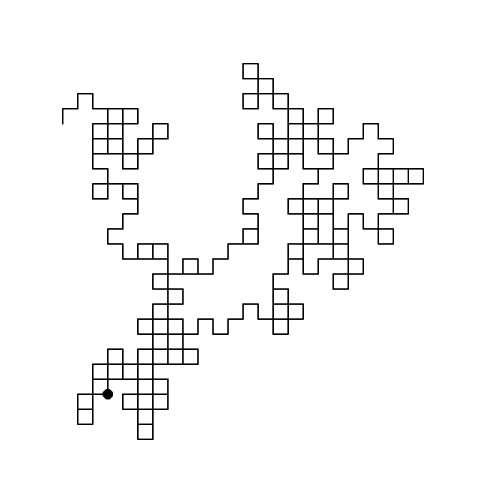
Instead of simply following instructions, Jayden began modifying his programs. While exploring a random walk simulation using Python Turtle, he changed the turtle into a small dot, adjusted its appearance, recorded his own demonstration video, and turned an assigned exercise into something personal. On the same day, he entered DMOJ for the first time and successfully solved his first programming problems. The lesson shifted from measuring performance to observing agency.
Several qualities gradually became visible: Independent thinking Strong personal opinions Curiosity beyond the assignment Attention to aesthetics and presentation Willingness to explore unfamiliar challenges His mother described him honestly: "This child is not easy. He's not a good kid." Yet many of the qualities that make a child difficult in traditional settings can also become strengths when properly guided. The same independence that resists compliance can support original thinking.
Education is not simply about producing quiet, compliant, high-scoring children.
Some students need more space to question, argue, modify, and explore.
Progress does not always appear as perfect scores or ideal behavior. Sometimes it appears as ownership, persistence, curiosity, and the willingness to make something one's own.
Real growth often happens one step at a time:
60,000.
50,000.
40,000.
And sometimes the larger journey is not ranking at all, but becoming comfortable with one's own way of thinking.