
Living Museum of Learning
Why Strong Legs Protect a Lifelong Game
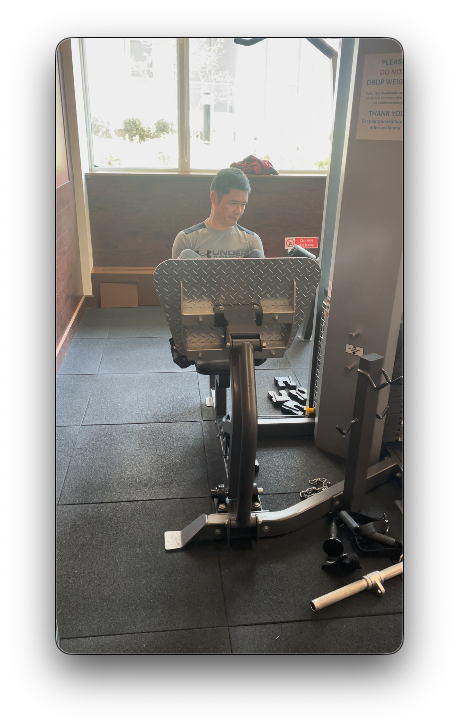
In a Toronto apartment gym, a 59-year-old Tsinghua-trained badminton player trains regularly on the leg press machine. He works with heavy loads and long-standing routines, but what stands out is not intensity—it is consistency, caution, and self-awareness built over decades of play. He treats training not as a test of ego, but as a system for protecting his knees while maintaining mobility on the court.
The key insight is not about how much weight can be lifted, but how carefully it is introduced. He always starts light—using “warm-up” sets before gradually increasing load. He avoids rushing into heavy resistance, especially after breaks from training. If the body is not ready, he stops early without hesitation. The goal is not completion of a “maximum stack,” but preservation of joint integrity over time.
Over time, a clear pattern emerges: Gradual progression, not sudden load increases Structured repetition, including controlled movement variations Constant attention to knee safety through muscle engagement in thighs and hips Willingness to stop before fatigue becomes risk Even advanced strength is treated as something that must remain under control, not something to be proven. The result is a training philosophy where longevity matters more than intensity.
True strength is not measured by peak output, but by sustainability.
Muscle groups surrounding the knee—especially thighs and hips—are not just for performance; they are protective structures. Proper training reduces injury risk by distributing load intelligently across the body.
Equally important is restraint: knowing when not to push further is part of the training itself.